- Key Takeaways
- How Transmissions Work
- Common Transmission Failures
- Why Automatic Transmission Repair Costs More
- Rebuild or Replace Transmission
- The Driver’s Impact
- Proactive Transmission Care
- Conclusion
- Frequently Asked Questions
- Is automatic transmission repair always more expensive than manual?
- How do I know if my transmission needs repair or a full rebuild?
- When should I replace a transmission instead of rebuilding it?
- Do driving habits affect automatic and manual transmission life differently?
- How often should transmission fluid be changed for automatics vs manuals?
- Can I keep driving if my transmission slips a little?
- What proactive steps help avoid costly transmission repairs?
Key Takeaways
- Whether automatic or manual, transmissions regulate power, speed, and torque using different mechanisms, so it’s good for drivers to know how they work in order to identify problems early. Routine maintenance promotes smoother operation and extends transmission life to any car.
- Automatics may be easier to drive and have better shifting. They depend on intricate hydraulic, electronic, and fluid systems that generally make fixing them more costly and labor intensive. Manual transmissions provide more direct control and engagement. They necessitate careful clutch usage and regular checking of gears and linkage.
- Typical warning signs including slipping gears, noises, burning smell, fluid leaks or dashboard lights can signify trouble in both automatic and manual systems. Developing and implementing a basic symptoms checklist assists drivers in pursuing expert assistance before small problems become catastrophic failures.
- Automatic transmission repair tends to be more expensive because of system complexity, specialized parts, and they take longer to work on. Manual systems tend to have simpler, less expensive parts. Armed with knowing these differences, drivers can shop repair quotes, compare rebuild versus replacement, and make selections that fit their budget and long-term plans.
- Driver habits have a significant impact on transmission longevity, so being kind on the throttle, shifting appropriately, minimizing heavy loads when you can, and compensating for harsh weather all help reduce wear. Drivers who tow or drive in extreme hot or cold climates are better served by more frequent fluid checks, inspections and the use of recommended towing or cooling features.
- Proactive transmission care, such as regularly checking fluid levels, following service schedules, and having professional inspections, is one of the best ways to avoid expensive repairs. Adhering to the manufacturer’s maintenance schedule and maintaining basic service and fluid-change records helps preserve reliability and resale value down the road.
Automatic vs manual transmission repair are actually separate means that mechanics take to diagnose and repair gear systems in self-shifting cars and those with a clutch pedal and gear stick. Because automatic transmission repair is often focused on fluid systems, sensors, solenoids, and complex internal parts, shops may use more sophisticated scan tools. Manual transmission repair typically focuses on clutches, gears, synchronizers, and linkages, and can sometimes include additional physical part swaps. Costs and repair time, and access to parts can differ a great deal between the two. To decode shop quotes and choose the optimal fix, it’s useful to understand how each transmission type breaks and how repair shops address them.
How Transmissions Work
A transmission is a metal box containing a bunch of gears, which is why a lot of folks still refer to it as a gearbox. Its job is to transmit power from the engine to the drive wheels through various gear ratios. Low gears multiply torque so the car can get going from a standstill or ascend a hill. Higher gears reduce engine speed so the car can cruise at 100 km/h without the engine revving close to its maximum. Modern vehicles usually use either an automatic or a manual transmission, though some use variants like Continuously Variable Transmissions (CVT) or dual-clutch systems, which still follow the same goal: match engine speed and torque to road speed in an efficient way.
Transmissions, of any kind, have to deal with the tradeoff between speed and torque. In heavy city traffic, they maintain the engine in a practical range as the car crawls along. On open roads, they assist in dropping engine revolutions to save fuel and wear. Since the transmission is constantly grinding away in the background, routine maintenance is critical. Fresh, clean fluid and timely repairs preserve gears, clutches and bearings, while maintaining shift quality well into a vehicle’s lifecycle.
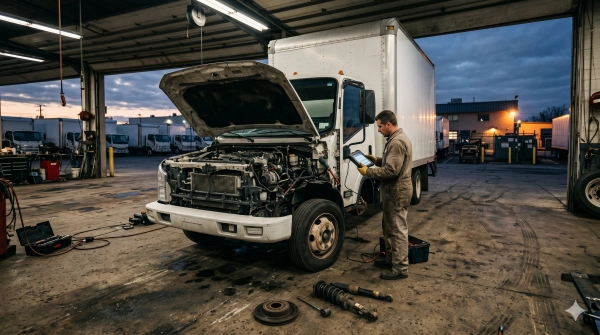
For commercial trucks that operate under heavier loads and demanding conditions, routine heavy-duty truck repair inspections play an important role in protecting the transmission and the rest of the drivetrain.
Automatic Systems
Automatic transmissions utilize a combination of hydraulic pressure, electronic sensors, and a torque converter to execute gear shifts autonomously. The torque converter connects the engine to the transmission via fluid rather than a mechanical clutch, which allows the car to sit at a light in gear without stalling. Inside the case, planetary gear sets and clutch packs switch up ratios as hydraulic valves and solenoids direct pressurized fluid according to instructions from the control computer.
Automatic transmission fluid (ATF) is at the heart of how these systems operate. It lubricates gears, clutches, and bushings, cools hot parts, and even carries the hydraulic pressure that moves internal pistons. If the fluid breaks down or the level drops, shifts get hard or late and internal wear accelerates.
Newer automatics rely a lot on electronic control modules. These units monitor throttle position, road speed, engine load and even how you drive, then select shifts accordingly. Dual-clutch transmissions occupy the middle ground between manuals and automatics. They utilize two clutches, wet or dry, with one clutch managing odd gears (1, 3, 5 and reverse) and the other managing even gears (2, 4 and 6), which enables very swift shifts that feel nearly seamless in both urban and highway driving.
Manual Systems
Manual transmissions require the driver to engage a clutch pedal and operate a gear shifter in order to swap gears. During a normal drive, you push the clutch, shift into your next gear, and release the clutch. In a manual, whenever you shift, you need to push in the clutch beforehand. The gearbox has fixed gear pairs on shafts, and the driver selects which pair locks to the output shaft.
Inside most modern manuals, synchronized manual transmissions employ synchronizers that match the speed of gears prior to engagement, which reduces gear clash and provides a smoother shift. Older gearboxes, particularly in heavy trucks through the early 1960s, were extremely robust but required more driver technique, double-clutching, in order to prevent grinding. When these units see repair, synchronizer rings, shift forks, and bearing wear are common.
The clutch system itself is an additional major service item in manuals. It utilizes a friction disc clamped between the engine flywheel and a pressure plate. Over time, the disc wears, the pressure plate springs weaken and release bearings grow noisy. Slipping, hard gear engagement, or vibration occurs.
Manuals typically have a more direct mechanical connection between the engine and wheels compared to old-school automatics with a torque converter. That direct feel can provide the driver with more precise control of engine braking on steep downhill grades or when driving on loose surfaces. It means more maintenance decisions land on the owner’s lap, from clutch replacements to gear oil changes, to keep the gearbox smooth and quiet over high mileage.
Common Transmission Failures
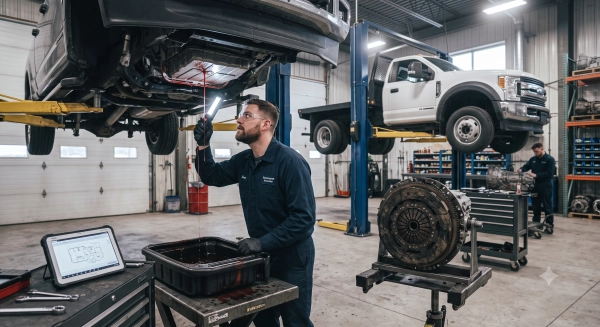
Transmission problems can begin as minor issues that eventually develop into serious failures. Understanding where automatic and manual units typically fail can help you identify problems before they strand you or necessitate a complete rebuild.
- Fluid breakdown or old fluid never replaced
- Overheating, especially in automatics under heavy stop‑and‑go traffic
- Worn clutches and synchronizers in manuals
- Faulty solenoids, sensors, and wiring in automatics
- Leaks from seals, gaskets, or cooler lines
- Damaged bearings, gears, or linkage components in either type
Early warning signs can be slipping gears, delayed engagement when you shift into drive or first, harsh or erratic shifts, new noises, or warning lights. An easy checklist on paper or in a phone note that tracks smells, sounds, shift behavior, and fluid checks makes it simpler to identify a trend. Routine service every 40,000 to 100,000 kilometers, fluid changes most importantly, is the single most dependable way to prevent total transmission failure.
1. Automatic Issues
One of the first signs of transmission trouble with automatic transmissions is the fluid. Old, dark, or burnt-smelling fluid indicates heat and wear being generated on the inside. Not changing fluid for years is the tell-tale sign of a ‘throw-away’ car, and that neglect usually results in slipping gears, belated shifts, or no drive at all. Automatics are more prone to overheat in slow, heavy traffic, particularly when towing or climbing hills, and that heat breaks down seals, clutches, and torque converters. Torque converter problems can manifest as shuddering at constant speeds or a stall upon stopping.
A lot of new automatics use solenoids and sensors to dictate shift feel and line pressure. When a shift solenoid sticks or a speed sensor transmits erroneous data, the transmission may shift harshly, search for gears, or enter a ‘limp’ mode of operation with limited gear usage and power. Typically, the car will hardly move with the engine running great, which renders the vehicle essentially immobile. Overlooking fluid changes, leaks, or early electronic faults can turn a repair that costs a few hundred into a full replacement that costs several thousand.
2. Manual Issues
Manual transmissions go bad differently and they tend to grant more warning before they conk out. Clutch wear is the most common, with most drivers requiring a replacement clutch somewhere around 120,000 to 160,000 kilometers. A tattered clutch may slip while under load, increasing engine speed without corresponding road speed or even stall when attempting a hill start.
Synchros are another weak point. When they wear, dropping into certain gears becomes notchy or grinds. Others talk about a third-gear synchro that’s been “shot for years.” The transmission works but requires a gradual, gentler shift. Others discover they have to drop from 2nd to neutral, wait for the tach to settle, then slide into 3rd to prevent grind. These are minor hacks, but they represent actual abrasion in the cube.
Manual linkages, shifter mechanisms and clutch pedals age as well. Bushings loosen, cables stretch and hydraulics leak, resulting in imprecise gear selection or a spongy pedal that clicks off the floor. A lot of manual cars are drivable with internal issues for quite some time. For example, a 3-speed manual in our 1967 Mustang 289 V8 had a bearing go bad, resulting in a steady noise, but the driver could still engage every gear until it was replaced. Prompt clutch, pedal and gearbox inspection when these signs appear prevents sudden loss of drive or damage to gears and shafts.
3. Universal Symptoms
There are particular symptoms of transmission failures that are common regardless of the type you have. New grinding or whining noises that ramp with road speed, a sharp burning smell coming from the car after a drive, or red or brown fluid spots under the car all warrant a look. Any of these can be due to fluid degradation, bearing wear, or internal damage.
Dashboard warning lights may indicate problems, particularly in newer vehicles where the transmission control module communicates with the vehicle’s main engine computer. A check-engine light associated with shift codes or a dedicated transmission light where fitted can illuminate well before a driver notices a significant difference in how the car drives.
Basic fluid checks help too. Transmission fluid starts bright red and clear, but gets dark or smells burnt or has metal flakes, which is a warning. A fluid level drop with no apparent spill on the floor can indicate a slow leak through a seal or cooler.
Jotting down a basic symptom log—date, mileage, noise, odor, how shifting felt—provides a technician with a straightforward point of entry. This record can save diagnosis time and prevent the damage of guessing at the wrong fix.
4. Diagnostic Differences
Diagnosis for automatics and manuals diverges, even when the driver complains of similar symptoms. For an automatic, a mechanic will typically hook up a computer scan tool first. It reads fault codes and live data from sensors and communication between the transmission control unit and other modules. It helps catch issues like a failing speed sensor, line-pressure control, or internal solenoid fault that would be difficult to diagnose by feel alone.
Manual transmissions rely more on mechanical inspections. A shop will check the clutch wear surface, pressure plate, release bearing, and pedal or hydraulics. It’s possible they’d drain the gearbox oil into a clean pan to check for metal shavings, then examine external linkage components and if necessary, open up the case to inspect gears, shafts, bearings, and synchronizers directly.
In both cases, a road test is still essential. A thoughtful drive that duplicates the driver’s complaint, say a hard 2nd-to-3rd shift, slip under load, or noise only in one gear, helps correlate symptoms to data or apparent damage. Pairing that real-world test with scan results or even physical inspection typically provides the most accurate image of what has failed and what should be repaired.
Why Automatic Transmission Repair Costs More
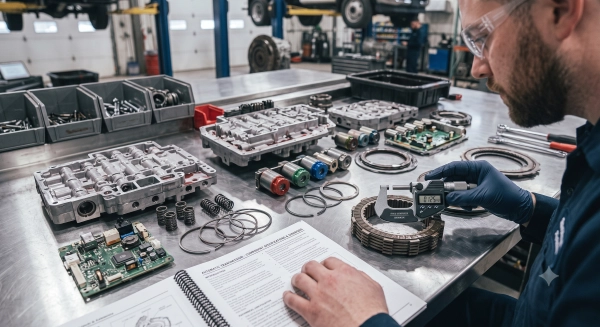
Automatic transmission repair costs more because the system itself is more complex, uses more specialized parts and requires more time and expertise to diagnose and repair. Parts and labor tend to run higher, so even a run-of-the-mill mainstream automatic with a relatively uncomplicated design can have overhaul bills beginning in the $3,000 and up range. Understanding why these gaps exist helps you evaluate estimates, balance repair versus replacement, and decide automatic versus manual when you purchase your next car.
If you’re experiencing delayed shifting, slipping gears, or transmission warning lights, professional automatic transmission repair can identify the root cause before extensive internal damage develops.
System Complexity
An automatic transmission has far more moving parts than a manual. It has multiple clutch packs, planetary gear sets, a torque converter, a pump, and a complex valve body that routes fluid through small passages. It connects to electronic modules and sensors that communicate with the engine and stability systems. A newer unit can have ten forward gears, while older “traditional” automatics had one or two. This increases the number of components that can wear or break.
For this reason, diagnosis is not a quick visual check. The techs will need to read fault codes, watch live data and often road-test under specific conditions to observe how the hydraulic circuits and electronic controls respond. That requires training and certification, not to mention scan tools and pressure gauges that a lot of general shops don’t have. More time locating the problem means more labor added to your invoice.
Valve body and torque converter alone add cost and risk. If a valve body sticks or wears, it’ll shift harshly or not at all. Extracting, cleaning, and rebuilding it is specialized labor. A failed torque converter can distribute metal throughout the entire assembly. Automatic transmissions have two expensive parts that may “total” the car when they go: the transmission assembly and the converter. A manual tends to have just the gearbox as the big-ticket item.
Specialized Parts
Key automatic parts like shift solenoids, pressure sensors, speed sensors and transmission control modules cost more than typical manual parts. A quick external sensor swap can be as little as $200 including basic labor. Internal solenoid packs and control modules can run several hundred before installation.
It’s more challenging to source quality components. A lot of modern automatics, such as some dual-clutch and CVTs, have proprietary parts that only dealer networks or transmission specialists can provide. For instance, certain cars like the 6th generation Honda Civic are infamous for having feeble automatic transmissions that owners need to use particular aftermarket or OEM parts to achieve a durable repair.
By contrast, manual systems are simple: gears, synchronizers, a clutch kit, and basic linkages or cables. Clutch, pressure plate, and release (throw out) bearing are generally sold as a kit, readily available, and quite inexpensive per item. One driver paid around $850 to fix a manual for a documented throw out bearing failure for a complete clutch job that’s actually not that unusual, and it still comes in well below many automatic rebuilds.
Labor Intensity
| Aspect | Automatic transmission | Manual transmission |
|---|---|---|
| Typical diagnosis time | Longer, multi‑step electronic checks | Shorter, more mechanical checks |
| Removal and installation effort | Higher, often more components | Lower, simpler layouts |
| Internal repair complexity | High, many small parts and circuits | Moderate, fewer parts to handle |
| Average cost trend | Higher overall | Generally much cheaper |
Repairing an automatic frequently implies adhering to rigid protocols to prevent destruction. The pan, wiring, cooler lines and occasionally subframe have to be carefully removed. Inside, clutch packs, seals and minuscule valves have to be reinstalled in sequence and at the proper torque and clearances. Shops use lift tables, transmission jacks and special alignment and fluid-fill tools, which increases overhead.
Labor hours add up quickly. Even if internal work isn’t needed, reprogramming a control module or flushing the system after a torque converter failure, for example, adds time. Many owners say that routine maintenance still didn’t prevent failures, such as a unit dying on the freeway at less than 110,000 miles and costing more than the car was worth to fix. That’s why folks generally replace the car, rather than rebuild the automatic, whereas a manual is going to get fixed and stay on the road.
Rebuild or Replace Transmission
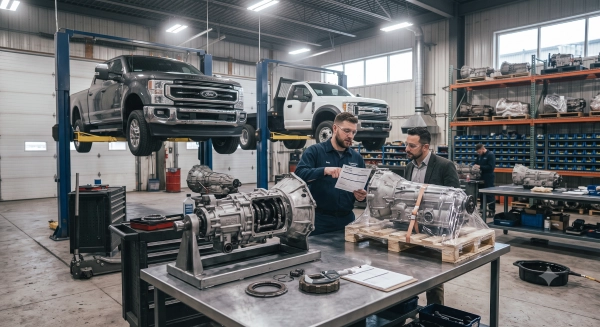
Rebuild versus replace is a matter of damage, cost, and how long you intend to keep the car. If internal damage is limited, a professional transmission rebuild may restore performance while extending the life of your existing transmission. Automatic gearboxes are more complicated than manuals, so the difference in price, risk, and payoff tends to be bigger.
- Rebuild – pros: * Often cheaper upfront, especially for manuals (many jobs fall in the CAD 1,700 to 4, 200 range).
- Rebuild or replace transmission can restore performance and extend life while keeping the original unit.
- Gives you the option to include upgraded parts and updated components.
- Rebuild – cons: * Depends heavily on the skill of the shop and part quality. * Labor is high: 8 to 12 hours is common for major rebuilds. * Warranty is usually shorter and more restricted than full replacement.
- Replace – pros: . . * New or remanufactured units usually include stronger warranty coverage. * Reliable performance and less chance of concealed internal damage. * Great option if the car is strong overall and you’re planning to keep it.
- Replace – cons: * Higher cost, especially for automatics (often CAD 4,900 to 10,600). * Probably not worth it on older or low-value vehicles.
Check how severe the internal damage is, how many quality parts are available, and then build a simple table for your car: one column for rebuild, one for replace, with rows for cost, time off the road, warranty, and expected lifespan.
When to Rebuild
Rebuilding makes the most sense when the transmission case is intact, gears or drums are not severely damaged, and most hard parts can be recycled. This is typical after wear from high mileage, not a sudden break.
On manuals, rebuilds often ensue from clutch or synchro wear. You could encounter clutch replacement, shift linkage or cable work, new bearings or synchronizers with labor frequently in the 4 to 8 hour range. These repairs can restore shifting to normal for a price that still fits well within the value of many older cars.
On automatics, typical rebuild culprits are worn internal clutches and bands, valve body issues, and aging solenoids or sensors. Since an automatic has hundreds of little precision parts and intricate hydraulic passages, tearing it down and reconstructing it requires specialized equipment and education. Eight to twelve hours of labor is typical.
A rebuild can be an opportunity to include upgraded parts that address known weak points in some models. Afterward, a strict maintenance plan matters: regular fluid and filter changes, correct fluid type, and quick checks for leaks can help you stretch the savings and keep reliability steady.
When to Replace
Replacement is typically the smarter choice when the unit has experienced catastrophic failure, like a cracked case, fluid turned burnt and full of metal, or repeated major repairs that tend to keep returning. Here, yet another rebuild may be a futile pursuit of problems, not a solution.
If vital components are discontinued, or the rebuild estimate approaches or even exceeds the cost of a remanufactured unit, the gearbox is frequently “beyond economical repair.” It occurs more with complicated automatics than basic little manuals.
New or remanufactured transmissions, particularly automatics, typically have more robust warranty coverage than a rebuild, which can help balance out the increased initial expense. For a car you expect to keep several more years, that coverage and reduced risk of shock failures may justify the additional cost.
The Driver’s Impact
The way a driver behaves affects the duration and repair frequency of a transmission. The very same vehicle can have very different repair bills based on how it is driven, loaded, and maintained, particularly in Alberta’s wide temperature swings and road conditions.
Driving Habits
Fast starts, hard stops and running the engine near redline all drive heat and pressure into automatic and manual transmissions alike. This accelerates fluid degradation, erodes clutch packs or synchros, and can transform a routine concern into an expensive rebuild. Lots of 30–40 km/h drivers avoid points or snag a ticket with a 106 CAD traffic lawyer, but the transmission still gets the whack, and those higher-risk habits will hike insurance rates in the long run.
Manual drivers who ride the clutch at lights, rest a foot on the pedal, or shift without matching engine speed grate friction material and bearings. These habits frequently result in slipping clutches or difficult-to-engage gears. Manuals are less expensive in many markets and can provide an additional level of control. They require much more experience and skill to utilize effectively.
In automatics, soft starts, constant speeds, and smooth braking assist the torque converter and internal clutches to operate cooler. Avoid long idling, stop-and-go rush hour “creeping,” and hauling more mass than the car is rated for because all of that loads the drivetrain and raises fluid temperature.
Driving style doesn’t just influence repair risk. A reckless or distracted driver can send insurance rates soaring, while more composed habits and some online price comparison shopping, even switching from a long-time provider, can reduce premiums.
Towing Demands
Towing trailers, work gear or campers adds stress to any transmission. Automatics take the brunt of the heat. Long highway climbs, gravel roads and headwinds can keep the converter slipping and push fluid temperatures well above normal when towing in Alberta. Factory towing modes, lower gears on grades and where recommended, an additional transmission cooler assist in keeping that heat in check.
Manual cars that are used for regular towing require clutch and gear evaluations more often, as continuous hill starts and low-speed operations with weight on the hitch can glaze or crack friction surfaces. Towing, no matter the transmission type, demands rigorous fluid checks and changes on the schedule in the owner’s manual or earlier if the fluid smells burnt or appears dark.
Weather Conditions
Alberta’s cold winters and hot summers both affect transmission fluid flow. In extreme cold, fluid thickens, pumps strain, and components may operate momentarily with inadequate lubrication. In high heat or heatwaves, the same fluid thins and can shed its protective film at high loads.
In winter, allowing the engine to idle for a brief warm-up and driving easy the first several kilometres allows time for fluid to circulate to all components. Hard launches immediately after start-up can chip gear teeth or strain seals. When the seasons change, keeping an eye on fluid level and color a little more frequently will help you spot leaks and early wear before it becomes a major repair.
Booking a full transmission check before and after harsh weather periods, particularly if you tow, drive in stop-and-go traffic, or commute long distances, monitors subtle shifts in shift feel, noises, or fluid condition.
Proactive Transmission Care
Proactive transmission care implies adhering to a transparent checklist so the transmission remains in optimal condition, preventing premature demise. For automatic and manual systems, that means fluid changes, filter and gasket replacements, clutch checks on the manuals, and routine visual, road-test and commercial vehicle inspection. Performed on time, they assist both types in reaching or exceeding 200,000 km and prevent the need for significant jobs such as full rebuilds that can cost a few thousand dollars.
Fluid Checks
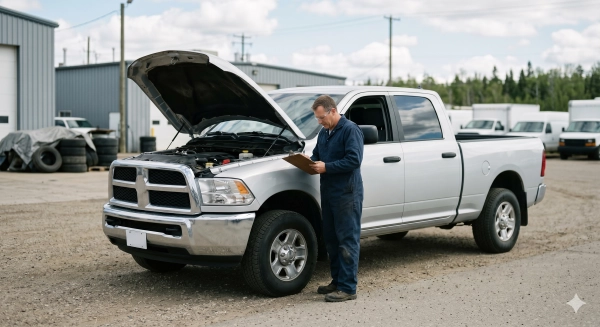
Inspect transmission fluid level and condition at least every few months or more frequently if you drive in heavy traffic, tow, or frequently climb steep hills. For automatics, use the dipstick if the car has one with the engine at the temperature and setting the owner’s manual specifies. For many newer cars without a dipstick, this inspection is a garage job and requires specialized equipment.
Clean fluid, at the right level, is key because it cools, lubes and enables smooth shifts. Dark, burnt-smelling automatic or manual oil with metal flakes is an obvious red flag. Automatic units typically require new fluid every 40,000 to 60,000 kilometers, while manual gearboxes generally go 60,000 to 100,000 kilometers between oil changes, depending on usage and climate.
Use nothing but the fluid grade the maker specifies. A “universal” oil that isn’t the spec can lead to slow shifts, gear grinding or clutch pack wear in automatics. Maintaining an easy record, including the date, mileage, and work performed, lets you and any future owner see the maintenance narrative at a quick glance.
Regular Service
Schedule transmission service at the mileages in the owner’s manual, which can be anywhere from 30,000 to 100,000 km. Short trips, a lot of stop and go, or heavy loads usually warrant the shorter end of the range for both automatics and manuals.
Filter and gasket changes, where fitted, prevent debris and old seal material from entering valve bodies, solenoids and gear sets and mitigate leaks. On manuals, proactive care can cover clutch adjustment or replacement before it slips badly, as well as linkage, mounts and gear oil checks.
Regular service is typically where a shop first detects minor leaks, stiff shifting or early gear noise and stops them before they cause damage throughout the unit. When booking service, request a full transmission check — not just a quick fluid swap.
Professional Inspection
Look for techs who deal with transmissions every day and use the latest scan tools, pressure gauges, and test drives to test shift quality. This style of inspection can detect internal faults that haven’t yet activated a warning light, such as minor clutch slip in an automatic or premature bearing wear in a manual.
A certified specialist can benchmark your car’s behavior against typical patterns for that model, both auto and manual varieties, and identify problems such as gear grinding, harsh or delayed shifts, or leaks before they cause a breakdown. Driving style, car make, and servicing history all inform what they check and what they recommend, which keeps both expenses and hazard in check.
Proactive Transmission Care: Timely expert checks, especially when you hear new noises, experience stiff shifting, or spot any fluid under the car, reduce the risk of sudden failure and exorbitant repair bills.
Before investing in major repairs, it’s also worth checking Transport Canada vehicle safety recalls to determine whether your vehicle has any outstanding manufacturer-issued repairs.
Conclusion
To recap, automatic and manual transmissions require attention just in different forms. Auto units are more expensive to fix because they have more parts, more heat, and more tech. Manual units frequently give out from bad clutch use or rough shifts. None is “better” for all drivers. Both suit a different style, budget, and aptitude.
The real gains come from how you drive and how you keep up with service. Fresh fluid, smooth shifts and quick checks at the initial whiff of slip or grind will save you a pretty penny.
Reviewing Alberta Transportation vehicle safety information can also help vehicle owners understand inspection requirements and keep their vehicles operating safely.
Your next step is to talk with a trusted shop, share your drive habits, get a complete quote, and select the repair path that matches your actual day to day life.
Frequently Asked Questions
Is automatic transmission repair always more expensive than manual?
Generally, yes. Automatic transmissions are more complicated and have more components. This typically translates to greater labor hours and parts cost. Because manual transmissions are simpler, repairs and clutch replacements tend to cost less overall.
How do I know if my transmission needs repair or a full rebuild?
Be on the lookout for slipping gears, delayed shifting, grinding, or burning smells. Roadside Assistance, where a technician will conduct a road test and diagnostic scan. If wear is extensive, you should consider a rebuild. When damage is contained, a repair can suffice.
When should I replace a transmission instead of rebuilding it?
Replacement is often better when the transmission is badly damaged, has very high mileage, or has a history of repeated failure. A good remanufactured unit can provide both warranty and predictable reliability and can potentially save money over the long term.
Do driving habits affect automatic and manual transmission life differently?
Yes. Hard acceleration, riding the brake, towing heavy loads, or constant stop-and-go driving can stress even the toughest transmission. Manuals take a hit if you abuse the clutch. Automatics are vulnerable if they overheat. Smooth, steady driving extends life for both.
How often should transmission fluid be changed for automatics vs manuals?
Most automatics require fluid changes at 50,000 to 100,000 km, depending on the car and fluid. Many manuals can go longer, but do still benefit from changes. For best results, always adhere to the manufacturer’s schedule in your owner’s manual.
Can I keep driving if my transmission slips a little?
You shouldn’t. Even slight slipping can indicate low fluid, worn components, or overheating. A slipping transmission can be more costly to repair than one that is driven in that condition for a while. Get it checked by a professional ASAP.
What proactive steps help avoid costly transmission repairs?
Check and change transmission fluid on schedule. Repair transmission leaks fast. Stay away from overload or aggressive driving. Allow the vehicle to warm up in extremely cold weather. Go in for regular inspections so a pro can catch minor things before they turn into major failures.