- Key Takeaways
- Understanding Vehicle Undercoating
- Why Undercoating Is Essential
- Undercoating Materials and Methods
- Environmental Impact on Fleets
- The Undercoating Application Process
- A Strategic Fleet Investment
- Conclusion
- Frequently Asked Questions
- How often should commercial vehicles be undercoated?
- Does undercoating really extend the life of fleet vehicles?
- What is the best undercoating type for commercial fleets?
- Can undercoating be applied to older or used commercial vehicles?
- How does climate affect the need for undercoating?
- Is undercoating environmentally safe for fleets?
- What is the typical downtime for undercoating a commercial vehicle?
Key Takeaways
- Commercial vehicle undercoating creates a barrier on the undercarriage that helps block moisture, salt, and debris. It slows rust and corrosion and extends vehicle lifespan. This is particularly vital for those living in areas with extended winters, significant road salt and gravel, or high volumes of construction traffic.
- Selecting the appropriate undercoating material and application method for each vehicle type and operational environment enhances durability and cost effectiveness. Fleet owners can compare oil, wax, rubberized and asphalt-based coatings and then adhere to manufacturer and industry standards to pair products with actual driving conditions.
- Undercoating contributes to fleet safety and reliability by assisting in the prevention of corrosion damage to structural parts, brake lines, fuel tanks, and suspension components. Scheduled inspections and reapplications avoid surprise breakdowns and keep vehicles compliant with safety checks.
- Commercial vehicle undercoating is a smart investment that reduces your total cost of ownership via less rust-related repairs, longer asset life, and better resale value. Detailed records of applications, inspections, and maintenance maintain a record of return on investment and aid in future sales or trade-ins.
- Road de-icing products, coastal salt, humidity, and off-road or industrial use environments will increase corrosion risk and may necessitate more frequent undercoating. Fleet managers can consult local climate charts and road treatment schedules to schedule undercoating visits and inspections.
- Add undercoating to a regular maintenance cycle that includes washing, rust inspections, and recorded service, and it becomes a fleet management strategy, not a single purchase. Keeping tabs on new tech like smart coatings and corrosion sensors can improve this long-term protection and planning.
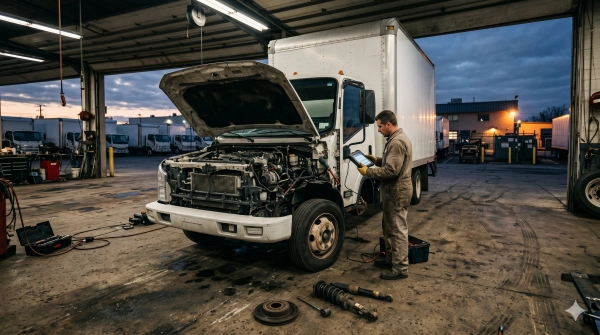
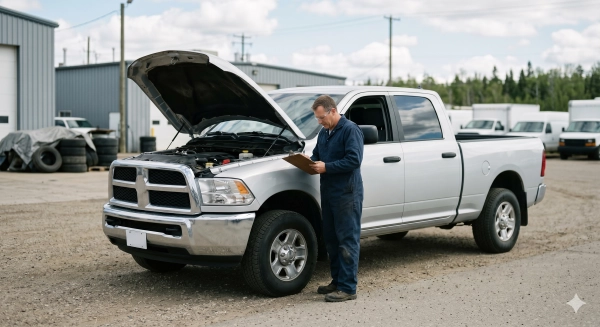
Commercial vehicle undercoating is a protective layer sprayed or brushed onto the underside of work trucks, vans, and fleet vehicles to help guard metal parts from rust, moisture, road salt, and debris. Many fleets use undercoating on frames, wheel wells, fuel tanks, and brake lines since these parts face constant contact with water and grit. A good undercoating can slow down corrosion, cut long-term repair costs, and help keep vehicles on the road longer, especially in wet or snowy regions. Different products use rubberized, wax-based, or oil-based formulas, each with trade-offs in cost, cure time, and upkeep. The next sections break down types, key benefits, limits, and basic care tips for undercoated commercial vehicles.
Understanding Vehicle Undercoating
Vehicle undercoating is a protective layer sprayed or brushed onto the undercarriage to guard exposed metal from rust, corrosion, and impact damage from road debris. It shields frame rails, floor pans, fuel and brake lines, and suspension parts from moisture, salt, and dirt that build up over time. This is especially important for fleets that run year-round in wet or winter climates. By blocking these elements, undercoating slows oxidation, helps prevent structural rot, and can add years to the working life of a commercial van, pickup, or heavy truck.
Core Purpose
At its core, undercoating is rust protection. The undercarriage of a commercial vehicle experiences continual assault from water and mud spray, and exposed metal becomes a sitting duck for corrosion, particularly around welds, seams and joints where factory coatings are sparse. An even coat of undercoating helps seal these soft spots so they do not become holes in floor pans or frame rails down the road.
Undercoating provides a physical barrier to road salt, liquid brine, gravel, and small stones. It’s a big deal for Canadian motorists who contend with long winters, harsh sand, and salty highways for months on end. Without such a film, every drive down a treated road leads to chipping paint, exposing bare metal and accelerating rust in secret, difficult-to-access places.
By keeping metal covered, undercoating helps maintain the integrity of welds, mounting points and crossmembers, ensuring that you’re less likely to need those expensive repairs, such as brake line replacements, patching rotted floors or welding cracked frames. It can trim road noise, muffle heat from exhaust parts and minimize condensation on cool metal, all of which provides added comfort and less wear-and-tear on components in daily operation.
Corrosion Science
Rust starts when oxygen and moisture hit bare steel, and salt or road chemicals accelerate that process. On commercial trucks that operate in snow and coastal areas, undercarriages can be damp for hours. Steel and even certain aluminum components remain in contact with water and pollutants.
Chemical oxidation is metal reacting with oxygen to create iron oxide, or rust. As this rust layer develops, it flakes, exposes new metal and permits the cycle to repeat itself. On frames and subframes, that cycle gradually transforms hard, solid metal into weak, flaky brittles that could snap under a load.
Undercoating interrupts this cycle by putting a barrier between the metal and the outside world. Oil-based products can even creep into seams and light surface rust, then seal the sound metal below, while thicker asphalt or polyurethane coatings create a tough outer “shell” that resists chips. The result is less direct contact with water, salt, and oxygen, which slows corrosion and keeps parts sound for longer service intervals.
Common signs of corrosion include:
- Brown or bubble-like spots near seams or welds
- Flaking or peeling metal on frame rails or brackets
- Soft or weak areas in floor pans when pressed
- Pitted brake or fuel lines with wet or stained areas
Key Distinctions
There are several undercoating types used on commercial vehicles: oil-based coatings that creep into seams and can penetrate light rust; asphalt-based coatings that create a thick, impact-resistant layer on high-wear areas; polyurethane sealants that provide a tough, paint-like film; and wax or paraffin-based coatings that remain a little flexible and repellent to moisture. Oil products can be easier to touch up and cheaper. Asphalt and polyurethane last longer but require more careful surface preparation and more labor time. Shop costs can reach up to $1,000 a vehicle, depending on size and complexity, while a bare bones DIY job might remain under $100 for cars and $150 for larger trucks if handled with consumer grade products.
Rustproofing, rust control and undercoating are related but not the same. Rustproofing is often the application of wax sprays to known rust trouble zones, such as inside doors, rocker panels and seams. Rust control could encompass treatments to eliminate or decelerate existing rust. Undercoating, by comparison, covers the entire undercarriage and constructs a shield against road spray and impact. They can complement each other, but they perform separate tasks.
Professional commercial undercoating tends to have more uniform coverage, superior surface cleaning and access to inspection pits or lifts that are difficult to beat in a driveway. Do-it-yourself applications are great for topping off aged coatings or small fleets, as long as the surface is prepped, dried and allowed to cure. All options are equally effective if you consider material quality, prep work and climate. Some have to be reapplied every year, while others can last several years with regular inspections and washing. New vehicles with robust factory-applied corrosion protection, or those not intended to be retained long-term, might not receive sufficient advantage from aftermarket undercoating to warrant the expenditure, particularly if they are used in mild, low-salt environments. In high-salt areas and for long-service commercial units, additional protection frequently assists in prolonging useful life. Undercoating is still no substitute for washing, underbody rinses in the winter and frequent chip or damage inspections.
Why Undercoating Is Essential
1. Financial Savings
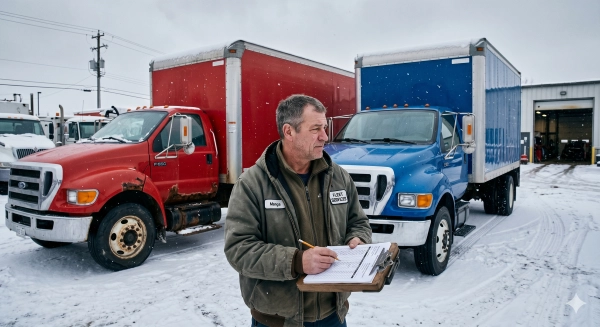
Rust repairs on commercial vehicles often run into thousands of dollars, especially when chassis rails, brake lines, or crossmembers need work or replacement. Undercoating slows rust so these parts last longer, which spreads their cost over more years and lowers the total cost per kilometre. For fleets that keep trucks beyond five years, when rust often starts to show, this gap in spend becomes more obvious each year.
Undercoating maintains high-value items such as tractors, trailers, service trucks and vans in better condition for longer. That’s important if you lease, intend to sell down the road or secure them as collateral. Below is a simple example for one heavy truck in a cold, salty climate:
| Scenario | Avg yearly rust repairs | 10‑year rust spend |
|---|---|---|
| Without undercoating | 1 400 CAD | 14 000 CAD |
| With undercoating + upkeep | 400 CAD | 4 000 CAD |
Even with the cost of undercoating, there is usually a distinct net saving over the life of the vehicle.
2. Operational Uptime
Corrosion can trigger surprise breakdowns such as seized suspension bolts, failed brake lines, damaged fuel tanks, or cracked mounting points. By sealing exposed metal, undercoating reduces these breakdowns and assists in maintaining cars in top roadworthy condition during hard winters, heavy rains, or dust seasons.
Regular rustproofing translates into less downtime for welding or parts swapping. A lot of fleet managers roll undercoating inspections into their regular maintenance, with a 12 to 24 month inspection frequency so they can repair any damage and keep uptime as high as possible.
3. Asset Longevity
Undercoating protects the undercarriage, where many key parts live: chassis, wheel wells, floor pans, and structural crossmembers. These spots receive direct impacts from water, road salt, mud, and rocks, particularly in northern states where winters stretch on or when driving gravel roads. Without a barrier, moisture and contaminants sit on bare metal and gradually corrode it, potentially reducing a truck’s lifespan by a few years.
For cars that make their rounds near the ocean or in cold, snowy zones, this defense is doubly critical, as salt and salty air accelerate rusting. A straightforward rust maintenance schedule, including undercoating up front, regular underbody washes, and annual inspections, goes a long way toward extending the life of every unit. Most operators log in-service years on either side of when they apply undercoating, so they have data on how long vehicles remain productive and adjust replacement cycles with actual data.
4. Safety Integrity
When underbody rust weakens frames, mounting points, or suspension parts, safety margins shrink fast. Undercoating slows that process, keeping the structure stronger for longer and reducing the chance of hidden weak spots under heavy loads or emergency maneuvers. It shields brake and fuel lines, tank surfaces, and suspension components from direct salt and debris, lowering the risk of leaks or sudden failures.
As most commercial inspections screen for corrosion on critical systems, a well-maintained underbody can help you pass more easily and steer clear of compliance issues. Random undercarriage inspections, combined with undercoating touch-ups where necessary, provide drivers a better understanding of safety hazards before they morph into downtime or accidents.
5. Resale Value
Used buyers and dealers pay a premium for clean, solid frames and documented rust protection. Undercoating helps keep that underbody and lower body panels looking better, making units easier to sell and meeting many dealer and manufacturer standards for trade‑ins.
Records matter here: dates of undercoating, product type, inspection notes, and any touch-ups. It provides a tangible, recorded record to the buyer that rust was addressed, not overlooked. Beyond that, some undercoating products provide mild sound deadening and aid in heat, stress, and condensation control, which can make the truck feel more substantial to a test driver. A quality job can last for years, meaning one upfront expense often sustains both daily driving and long-term recovery.
Undercoating Materials and Methods
Commercial vehicle undercoating comes in several material types and application styles, and every choice influences price, longevity, weight and lifespan. For fleet owners or operators, it is about matching the product and method to climate, load and duty cycle, not chasing a one-size-fits-all solution.
- Oil-based products displace moisture, creep into seams, and can be sprayed over light existing rust.
- Wax and paraffin mixes provide a flexible, mostly odorless, water-resistant film in cavities and panels.
- Rubberized coatings harden to a curing soft rubber layer that resists chips and muffles noise.
- Asphalt-based coatings form a tough, dense protective armor for pickup trucks and equipment.
- Polyurethane and hybrid systems provide chemical resistance and increased film strength.
Selecting right means considering road salt, off-road conditions, coastal air, and payload. A long-haul truck in snowy areas or by the sea usually requires tougher, thicker coatings and more regular inspections than a small van in a warm, dry climate. Quality materials matter in that they adhere to the metal, maintain their grip through heat and cold cycles, and inhibit rust rather than trapping moisture. An easy reference chart comparing material type, best use, cure time, need for reapplication, sound deadening, and effect on vehicle weight could normalize selections across a mixed fleet.
Material Types
Oil undercoating remains liquid or semi-liquid, so it oozes into inner body cavities, spot-weld seams, and frame rails. It can penetrate thin rust layers to get solid metal, so it’s good for old trucks or trailers that already have surface rust. It does wash down over time, so fleets often schedule annual top-ups, particularly on salted roads.
Wax and paraffin coat set into a flexible waterproof skin that adheres beautifully to concealed areas, like crossmembers and box sections. They are generally low odor and do not crack when metal flexes, which is great for cars that battle hot summers and cold winters.
Rubberized undercoating is typical under floors and wheel wells. It dries to a soft rubber finish that provides long-lasting protection and adds sound deadening. It should be inspected annually. If stones cut through, water can creep beneath the layer, so spot repairs and occasionally complete reapplication are necessary.
Asphalt-based coatings are dense and heavy-duty for dump trucks, tippers, and construction/mining equipment. They dampen road noise and resist gravel and debris. They require expert, often professional, application and extended curing times before the truck returns to service.
Application Techniques
Good results start with surface prep: high‑pressure wash, degreaser, and full dry time. All loose rust and flaking paint should be stripped, as well as sensitive areas such as exhaust, brakes, and sensors being masked off. The coating is then applied by spraying, brushing, or in select cavity instances, precise pouring or wand injection, depending on the product.
Complete coverage is essential. Wheel wells, seams, crossmembers, drain holes, and boxed rails rust first, so these areas need extra care and certain products, cavity wands to access blind spots. Missing these areas can reduce coverage by a dramatic amount, even if the remainder of the floor appears well coated.
Professional application typically results in more consistent film thickness, superior masking and containment, and safer handling of heavy asphalt or polyurethane systems. Mobile rust prevention units visit depots and treat multiple vehicles on location, allowing fleets to reduce downtime and maintain aggressive service intervals.
Industry Standards
In Canada and similarly cold winter markets, rust protection specs dictate how commercial undercoating is marketed and administered. Certified rust check centres and trained technicians have established procedures regarding cleaning, masking, product selection and film thickness, which aids in consistency from vehicle to vehicle.
Good brands will publish their corrosion-resistance test data and will typically comply with national or international test methods. Check warranties and service guarantees carefully because undercoating will add weight and in some cases, if applied outside maker guidelines, can invalidate a vehicle warranty. Visual inspection once per year, more often in coastal or snowy areas, keeps an eye on the coating while doing its job.
Environmental Impact on Fleets
Road Treatments
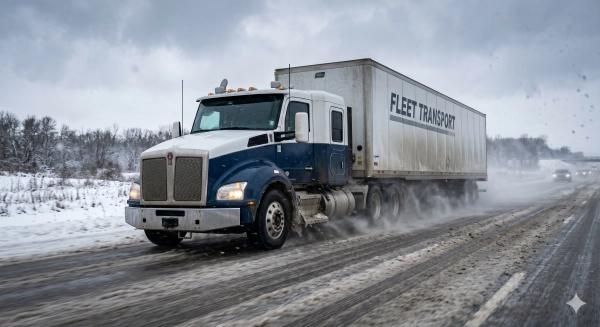
Road deicing products are becoming one of the biggest drivers of undercarriage damage. In most areas, conventional rock salt, liquid brine mixes and sand are used to maintain passable roads in winter. In the last several decades, de-icing chemicals have risen roughly ten-fold. Many newer blends are more corrosive than older products, especially when they combine with moisture and linger on the vehicle for days.
When trucks or vans drive through slush laden with salt or brine, the spray covers frames, brake lines, fuel tanks, and suspension components. That brew oozes down into seams and bolt holes, then initiates electrochemical reactions that corrode bare or lightly painted steel. Sand brings a grinding effect, like sandpaper on your underbody, scuffing away factory finishes and exposing even more rust spots. Corrosion from these conditions is not minor. In North America, rust and related damage cost an estimated USD 34 billion each year.
Fleets that run snow routes or mountain passes several times per week typically require shorter undercoating cycles and more frequent touch-ups. One actionable thing to do is to monitor local road treatment schedules or alerts from transport agencies and schedule wash cycles and inspections following heavy salting. Then, schedule undercoating re-applications before the next high-salt season.
Climate Factors
Climate establishes the foundational risk. Areas with long winters, wet springs, and high humidity, like most of Ontario, leave vehicle undersides moist for months on end. Meltwater, rain, and damp air all prolong drying time, so chlorides from salt or coastal spray linger on metal much longer than they do in drier climates.
Freeze–thaw cycles add additional stress. Water finds its way into minuscule pores and crevices and then expands when it freezes, breaking apart coatings and prying open seams. When it melts, oxygen and moisture seep into these cracks, and rust accelerates anew. Even fleets in less snow‑prone, coastal or ocean‑adjacent areas could be dealing with near‑constant salt exposure from sea spray and salty air, sticking to undercarriage and hardware.
Maintenance plans are most effective when aligned with this climate risk. Fleets in dry, mild areas may be able to get away with less frequent undercoating. If you’re operating in a coastal port, snow belt, or humid river valley, annual or even seasonal inspections are likely to pay off with added emphasis on vehicles that sit outdoors rather than under cover.
Worksite Hazards
Common worksite hazards that affect undercoating and corrosion include:
- Loose gravel and stone chips on country roads.
- Construction debris such as crushed concrete and rebar fragments
- Industrial dust, cement powder, and metal filings
- Chemical splash from fertilizers, road paint, or process fluids
- Pits, loading yards, mud, slurry, standing water.
Travelling these sites regularly is heavy-duty use. Gravel can chip away at protective layers in mini-voids that are difficult to detect. Cement dust and industrial powders retain moisture and increase pH, which can accelerate corrosion once they reach bare metal. Vehicles that back mining, construction, waste hauling or plants often experience this sort of exposure day after day.
These environments typically require heavier and tougher undercoating membranes, akin to what many operators apply on construction and off‑road equipment. Today’s rustproofing formulas are tough but kinder to the environment, helping to reduce the toxic chemicals associated with older products. Routine underbody inspections post-worksite shifts or at a minimum weekly, searching for chips, cracks and flaking, assist in detecting damage early, prior to corrosion reducing the vehicle’s service life.
Undercoating that slows corrosion and extends service life by even 2 to 3 years can keep a van or truck out of the scrap stream for another cycle. That is important because corrosion is one cause of the approximately 1.2 million vehicles taken permanently out of service every year in Canada, and nearly 300 million pounds of unrecyclable vehicle waste going to Ontario landfills. Additional years in service mean fewer units have to be manufactured and ultimately discarded, thus less used oil, antifreeze, solvents, lead, mercury, and other substances have to be handled. For fleets, improved corrosion control translates into a reduced number of premature disposals and, in turn, a reduced portion of that waste footprint.
The Undercoating Application Process
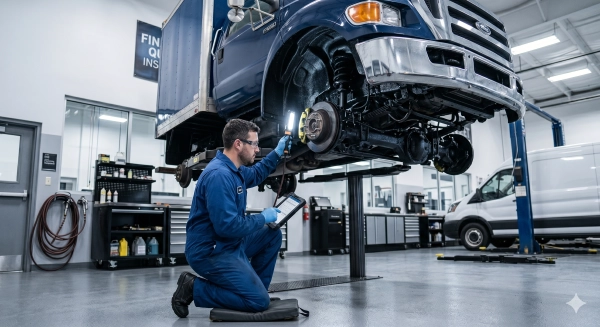
Vehicle Preparation
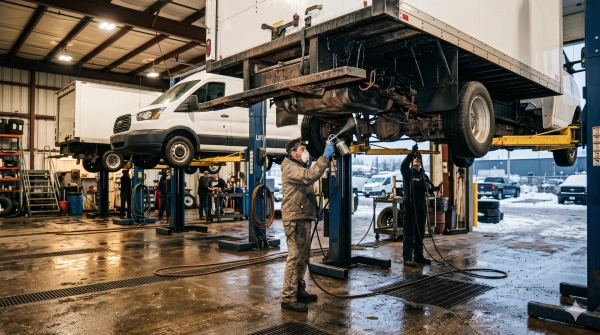
Preparation begins with a thorough cleaning of the undercarriage. Technicians extract caked-on mud, road salt, oil and old peeling coatings with pressure washing, degreasers and occasionally mechanical scraping. Any film of oil or loose rust residue left behind will prevent the new coating from sticking, so this step frequently requires more time than the spraying.
Sensitive parts then get masked. The exhaust, brake rotors and calipers, rubber bushings, drain holes, wiring connectors, sensors and emission hardware are all taped, plugged or shielded. This prevents the coating from burning on hot parts, clogging moving joints or concealing leak points that need to remain visible.
Once clean and masked, the chassis is checked for rust. Some light surface rust can be wire-brushed, treated with a converter, and painted over. Heavier rust, like flaky frame sections or perforated brake lines, should be repaired or replaced prior to undercoating or the coating may preserve active corrosion beneath a tidy black skin.
Shops typically schedule this work in dry weather or employ a controlled bay. The metal has to be dry and the air still so humidity or road spray don’t impact curing.
Coating Application
He sprays a protective layer all over the underbody to prevent moisture and air from reaching bare and painted metal. Typical selections are rubberized undercoating, which dries to a soft rubber-like finish that aids both noise and stone impact, and oil-based undercoating, which can creep into seams and even crawl through light rust to get to sound metal underneath.
It needs to cover wheel wells, seams, welds, crossmembers, spring mounts, and boxed sections where salt and dirt settle. Shops employ wands, angled nozzles, and cavity probes to snake inside frame rails and other hidden pockets that are invisible but rust in real-world use.
A number of commercial applications in fact use multiple passes. A first lighter coat wets the surface and anchors to the metal. Then one or two heavier coats build thickness and durability. This layered approach, while more time consuming, prevents runs and sparse thin areas.
Curing and Inspection
Most products “skin over” in a few hours and are dry to the touch after 24 hours or so. Actual curing can take much longer depending on thickness, air flow, and product. Oil-based products can remain tacky for days as they continue to creep into seams. Rubberized types tend to firm up sooner.
After the recommended cure time, the vehicle is hoisted once more for final examination. The technician inspects the undercoating for consistent thickness, areas missed near brackets or edges, and failed masking spots. Any thin or bare patches are touched up on the spot, and excess buildup near drain holes or moving joints is trimmed back.
During the initial one to two night period, most shops recommend parking outside rather than in a closed garage, so solvents can properly vent. In those first few days, drivers must carefully avoid car washes, deep puddles and winter storms where heavy brine can pummel the new film. This additional attention aids the adhesion and longevity of the coat.
It’s tedious and adds cost, particularly if you apply it on a full fleet, but it frequently saves you far more costly frame repairs, suspension replacement, or compliance nightmares from rusted brake and fuel lines. Expert technicians record every step with dates, products, and photos. These logs back warranty claims, resale value, and long-term care.
A Strategic Fleet Investment
Undercoating is a strategic investment for fleet protection, not a styling accessory. It goes after the silent danger lurking under the car, where road salt, moisture, and hard objects assault frames, brake lines, suspension components, and gas tanks. For year-round fleets, particularly in wet or winter climates, it serves as a foundation of rust control that underpins every other service choice.
Calculating ROI
ROI is all about comparing undercoating cost with the repair and downtime it helps you to sidestep. In rust‑susceptible areas, unprotected vehicles typically exhibit significant rust within three to five years, and repair costs amount to an average of $1,100 to $3,450 CAD per occurrence. A grounded truck or bus can rack up daily downtime expenses that exceed $1,650 CAD when you factor in missed deliveries, replacement rentals, and overtime shifts.
Undercoating decreases total cost of ownership by delaying this damage. Research from leading automotive insurers indicates automobiles with routine underbody armor sustain as much as 30 percent less rust-induced structural damage over a decade. Less structural repair means more predictable budgets, longer replacement cycles, and better resale value when units leave service.
Rustproofing can factor into a profit scheme. A modest 500-unit fleet with an annual rustproofing cycle can generate between $103,000 and $448,000 CAD in contract value per cycle for providers, which indicates how big the spend already is at scale. Urban delivery fleets that encounter heavy road salt and operate multi-shift days often recover costs quickest, because they avoid the severe repair curve that appears after a few winters.
| Year | Cumulative undercoating cost per vehicle | Estimated corrosion repairs avoided | Net ROI estimate |
|---|---|---|---|
| 1 | $414 CAD | $0–$414 CAD | Break-even |
| 3 | $1,242 CAD | $1,104–$2,760 CAD | Positive |
| 5 | $2,070 CAD | $3,450–$5,520 CAD | Strong |
| 10 | $4,140 CAD | $6,900 CAD + | Very strong |
Maintenance Cycles
- Inspect underbody after winter or monsoon seasons.
- Check coating after off‑road or heavy‑load work.
- Clean wheel wells and frame rails before re‑applying.
- Repair chips near brake and fuel lines first.
Schedule undercoating with other preventative maintenance such as brake, suspension, and tire rotation inspections. This reduces lift time and overlap in labor while simplifying efforts to maintain a consistent schedule from depot to depot.
Recordkeeping is important. Certain government and municipal fleets, such as police, fire, and public works, for example, already require rustproofing documentation for compliance in a number of states across the U.S. That same level of tracking helps private fleets prove warranty support, track cost per kilometer, and compare performance across routes or regions.
Dual‑method treatments, pairing a hard underbody coating with fluid film in cavity areas, for example, can increase corrosion‑free life by as much as 50% over one method alone. For fleets with long life cycles, this makes a compelling argument to incorporate undercoating into the standard maintenance schedule as opposed to an occasional afterthought.
Future Technology
New undercoating formulas aim to solve past weak spots in one long run-on paragraph that still keeps the ideas clear and linked: self-healing films can flow into small chips caused by gravel, eco-friendly coatings reduce solvent content and heavy metals while still bonding to steel, and some products are tailored for hot, humid ports or cold, salted roads. Simultaneously, engineers are developing smart sensors that perch on critical points of the frame or crossmembers, monitor moisture, and transmit corrosion information to a central platform, enabling managers to identify high-risk units prior to rust becoming apparent. There’s an obvious shift toward specialist solutions for battery electric vehicles and composite-heavy bodies, where protection needs to steer clear of high-voltage routes, take battery housings into account, and work with aluminum or fiber panels instead of just steel. By remaining engaged in vendor trials, reviewing independent test data, and conducting small pilots by route or vehicle type, fleet operators can stay on top of these changes and integrate advanced coatings or sensor tools into the next contract cycle without speculation.
Conclusion
Fleet undercoating delivers real, consistent value, not hype! It acts to cut rust, reduces wear and keeps trucks moving on the road. Whether it’s a delivery van that drives through winter salt every day or a work truck parked near the coast, they both have the same danger. Metal decays. Parts break. Prices go up.
An honest strategy for undercoating falls in line with intelligent fleet maintenance. Choose your product wisely. Train crews or hire a pro shop. Inspect the coat at regular intervals. Follow repair trends over several years.
Interested in next steps? Commercial vehicle undercoating. Consider your fleet route, age, and climate. Then consult with a reputable shop or vendor. Demand a quote, a sample job, and a before-and-after check on one test vehicle.
Frequently Asked Questions
How often should commercial vehicles be undercoated?
Undercoating every 12 to 24 months pays for itself in extended, healthy vehicle life for most fleets, depending on climate and road conditions. Vehicles in regions with road salt, coastal air, or heavy rains should be inspected and touched up on a yearly basis to ensure continued protection and help manage long-term corrosion costs.
Does undercoating really extend the life of fleet vehicles?
Yes. Premium undercoating slows rust and corrosion on frames, fuel lines, and brake components. That’s it! It extends vehicle service life, reduces downtime, and helps support higher resale value. Fleet owners experience reduced repair expenses over the entire life cycle of the vehicle.
What is the best undercoating type for commercial fleets?
What’s best depends on fleet usage and environment. Rubberized or wax-based products for this are common. Commercial fleet service companies typically evaluate vehicle type, load and climate to recommend the most protective, long-lasting system.
Can undercoating be applied to older or used commercial vehicles?
Yeah, prep is key! Pre-existing rust should be cleaned, treated, or stripped prior to application. Professional shops use washing, mechanical cleaning, and rust converters. Right prep aids in the coating’s adhesion and keeps it from sealing in active corrosion.
How does climate affect the need for undercoating?
Severe climates accelerate corrosion dangers. Road salt, humidity, coastal air, and heavy rain accelerate rust, too. Fleets in these environments reap the greatest rewards from undercoating, regular inspections, and maintenance to safeguard chassis, suspension, and brake components against premature failure.
Is undercoating environmentally safe for fleets?
Today’s undercoating products are environmentally friendly, low-VOC and solvent-reduced formulas available. By selecting respected products and certified applicators, fleets can reconcile corrosion protection with their environmental responsibilities and compliance.
What is the typical downtime for undercoating a commercial vehicle?
The majority of undercoating jobs require a few hours and curing time. Most fleet service providers do this work during off-shift hours or rotation cycles. Your coordinated planning helps minimize disruption and still protect vehicles against long-term corrosion damage.
Need more information about commercial truck maintenance and transportation safety? Hart Transmission provides expert repair services and preventative maintenance solutions for fleets, RVs, buses, and heavy-duty vehicles.
Popular Service Resources:
Fleet Service and Preventive Maintenance
Trusted Transportation Information:
Commercial Trailer Overview and Specifications