- Key Takeaways
- The Ripple Effect of Downtime
- Top 5 Medium-Duty Fleet Issues
- Why These Problems Occur
- Proactive Fleet Maintenance
- Choosing Your Maintenance Partner
- Select a provider with expertise in medium-duty fleet diagnostics and repairs
- Ensure they offer comprehensive inspections and preventive maintenance plans
- Prioritize partners with rapid response times and transparent communication
- Evaluate their ability to minimize downtime and support long-term fleet reliability
- The Future of Fleet Reliability
- Conclusion
- Frequently Asked Questions
- What are the most common medium-duty fleet issues that cause downtime?
- How does vehicle downtime impact my medium-duty fleet’s bottom line?
- Why do medium-duty trucks often face recurring maintenance problems?
- How can proactive fleet maintenance reduce breakdowns?
- What should I look for in a medium-duty fleet maintenance partner?
- How can telematics help prevent medium-duty fleet issues?
- What trends will shape the future of medium-duty fleet reliability?
Key Takeaways
- Downtime from just one medium-duty truck throws off delivery schedules, adds cost, and ruins customer relationships, so minimizing unplanned stops has to be a foundational operational objective. Record all downtime expenses to get a real sense of the true cost and inform smarter decisions.
- Hidden costs like administrative hours, missed delivery window fees and short term rentals can outstrip the repair bill, particularly on an ongoing basis. Documenting this expense in an organized fashion assists fleets in formulating more powerful arguments for preventive maintenance and process enhancements.
- Customer trust and driver morale are intimately connected to vehicle reliability, as frequent breakdowns result in lost confidence, increased stress, and potential attrition. Transparent communication with your customers and engaging drivers in proactive fault reporting early helps both service and retention.
- The leading medium-duty fleet problems, such as brake failure, suspension wear, electrical issues, overheating engines and transmission strain, can all result in unexpected breakdowns and costly repairs. Regular checkups, fluid checks and prompt attention to warning signs prevent small problems from becoming catastrophic failures.
- High mileage, tough routes, rugged environments and shutdowns in maintenance intervals eat away at the life of components and put your crew and compliance at risk. Tuning maintenance plans to regional conditions, adhering to manufacturer intervals and utilizing digital tracking tools enhance reliability and life.
- A formal data-driven maintenance program backed by educated drivers, telematics, and a trusted service partner leaves fleets primed for today’s downtime and tomorrow’s regulations and technology. Biannual reviews of inspection routines, training content, and partner performance ensure the fleet strategy keeps pace with evolving operational needs.
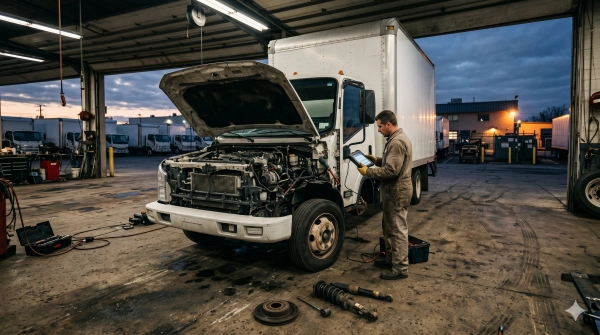
Medium-duty fleet issues are the everyday problems that plague 4,500–11,800 kg trucks and vans in daily use. These are typically brake wear, tire damage, transmission faults and electrical errors that take vehicles off the road. Many fleets confront fuel waste, idling and route gaps that increase cost and damage uptime. What’s worse, driver shortages, training gaps and weak inspection habits all help small problems become big ones. To plan better, managers need clear data, simple workflows and steady service routines. The following sections outline critical issues, warning signs and action-oriented ways to reduce risk and expenses in medium-duty fleets.
The Ripple Effect of Downtime
Unplanned downtime in a medium-duty fleet almost never inconveniences just a single truck. One truck on the side of the road can disrupt routes and customer schedules and your cost base for days.
When one unit goes down, loads can sit at the depot, drivers wait for loads and dispatchers scramble to rearrange routes. A truck that needs to be making money is parked and each parked hour is money lost. Research indicates that fleets can lose around $760 in revenue per vehicle per day of unexpected downtime. If that unit backstops daily deliveries to marquee customers, a single breakdown can ripple into missed slots, frantic rebookings and overtime across the team.
Even a “simple” flat tire can set off this cascade. Tire problems account for around 22% of commercial vehicle breakdowns. A flat tire could require a roadside service call, a tow costing up to $450, and then shop repair time. In the meantime, dispatch might divide the cargo between a couple of other trucks, add additional kilometers, and extend subsequent stops into the late hours. That ripple can extend through the entire week’s schedule.
Costs escalate at every stage. Riders on overtime, last-minute rental cars, second runs because of partial loads and detour gas mileage can increase operating expenses by as much as 20% if downtime is common. A single rogue truck over the course of a month can pile up losses between $10,000 and $12,000, particularly if those loads are on valuable routes. Each hour a truck is idle reduces revenue and squeezes razor-thin margins.
Customer pressure adds more pressure. In a world molded by rapid, frequently two-day shipping norms, delays are noteworthy. Downtime that results in missed deliveries or ambiguous ETAs often manifests itself in customer complaints, lost load share and lost future orders. Clients schedule employees or warehouse or manufacturing around those arrival moments, so one service crash on their end reverberates all the way back to your outage.
Minimizing downtime is less about keeping trucks moving at all costs and more about keeping the whole operation stable. Predictable routes, clear schedules, safer drivers, and service levels customers can trust day after day are essential.
Beyond The Repair Bill
| Hidden Cost Category | What It Covers | Impact on Fleet Operations |
|---|---|---|
| Admin and coordination time | Calls, emails, rescheduling, updating systems | Pulls staff from planning and quality work |
| Replacement and rental vehicles | Short-term truck hire, moving equipment and drivers | Higher daily costs, less flexibility for peak demand |
| Contract and penalty charges | Fines for missed delivery windows or service-level failures | Direct hit to profit per route or per contract |
| Extra labor and overtime | Longer shifts, double handling, added loading/unloading | Fatigue risk, higher wage bill, more errors |
| Customer recovery efforts | Discounts, free runs, extra check-ins after failures | Cuts margin, slows growth, delays new business development |
Breakdowns typically drag office personnel off into emergency mode. Planners, dispatchers, and managers can waste hours rebooking time slots, calling customers, and updating systems instead of working on route design or driver support. Those hours manifest themselves as overhead, even if they don’t often make it onto a repair bill.
There can be formal penalties for missed time windows, particularly under rigid SLAs. These fees compound the repair and tow, transforming a single breakdown into a long tail of minor but persistent losses.
Keeping track of all downtime-connected costs, including admin hours, fines, rentals, driver overtime, and re-delivery runs, paints a clearer picture than repair bills alone and supports the case for improved servicing and spare capacity.
Customer Trust
Repeated delivery delays gradually chip away at trust, even when customers remain civil. If orders arrive late, arrive half-complete, or keep missing booked slots, clients begin to view your fleet as a danger in their operation.
Trust builds loyalty more than cheap prices. Shippers prefer a carrier that just hums along over one that is dirt cheap because a botched delivery means lost sales and users to them.
When downtime feels routine, customers begin to test other vendors just for backup. If your competitors are hitting windows with more consistency, then share of loads can shift away from your fleet in no time.
Transparent, preemptive updates when a service is interrupted, such as early warning, updated ETA, and candid information on what happened, can cushion the blow. Customers will forgive an infrequent failure if they’re in the know and see that you have procedures in place to avoid the same problem next week.
Driver Morale
Constant breakdowns give drivers more stress. They can encounter irate recipients, extended shifts to make up missed stops, and additional paperwork to account for late runs. When they frequently burn the midnight oil to make up for lost time from a down truck, their work-life balance takes a hit and exhaustion accumulates.
Job satisfaction connects intimately to how dependable the cars drive. A driver who believes in the truck will stick around, manage routes with less stress, and care more about the resource. When reliability feels low, retention rates do too.
Safety is a genuine concern when a driver is stuck on the side of the road during the night or inclement weather. It could leave them close to speeding traffic or stranded in the boonies where assistance is slow to get there. Eventually, that risk can bear down on their perception of the work.
By involving drivers in early fault reporting—warning lights, odd noises, brake feel, tire wear—they become a first line of defense against downtime. Basic tools for snappy reports and speedy responses from the maintenance crew assist in capturing minor problems before they become lengthy and expensive to fix breakdowns.
Top 5 Medium-Duty Fleet Issues
Medium-duty trucks have repeat issues that cluster around a few systems. These issues frequently result in surprise breakdowns, missed delivery windows, and exorbitant repair bills.
- Brake system failures
- Suspension wear
- Electrical glitches
- Overheating engines
- Transmission strain
Early detection, definitive driver reports and regular maintenance inspections help keep these from escalating into route and load derailing failures.
1. Brake System Failures
Brakes fail first because medium-duty trucks are worked hard, stop hard, and run right up to their legal load limit. Warning signs usually show up long before a full failure: squealing or grinding when stopping, a soft or “spongy” brake pedal, longer stopping distance, or the truck pulling to one side. Even in flat country, a truck that remains fully loaded can wear pads and rotors quickly. Stop-and-go urban traffic can accelerate wear on brakes, ball joints, and associated components.
Worn pads, leaking brake fluid or a faulty ABS all eat into safety margins. A minor fluid leak or thin pad thickness can transform a secure stop into a close call in rainy conditions or on downhill runs. Weak brakes increase accident risk and can result in regulatory violations during inspections, which impact uptime and insurance costs. Regular inspections, pad and rotor measurements, and quick replacement of hoses, calipers and ABS sensors reduce that risk and keep trucks legally compliant.
2. Suspension Wear

Suspension issues manifest through uneven tire wear, a handling truck, or one that bounces too much after bumps. Drivers might sense additional sway around corners or extra vibration at cruising speed.
Heavy loads, rough roads and bad loading habits accelerate wear on shocks, struts, leaf springs and bushings. Constant stop and go in city routes can punish ball joints and leaf springs. In rural work, pot-holed or unpaved roads can shatter bushings and mounts prematurely.
A tired suspension does more than knock ride comfort. It shifts cargo, damages pallets, and reduces tire life. Checking shocks, struts, and bushings on a schedule and examining tire-wear patterns helps you catch issues before they become steering or stability problems.
3. Electrical Glitches
Medium-duty fleet electrical issues typically come in the form of dead batteries, dim or faulty lights, and malfunctioning sensors that cause warning lights or limp modes. Contemporary trucks and their numerous control modules mean that a tiny voltage problem could cause hard starts or random shutdowns that strand a truck in route.
These systems are complicated, and guessing nearly always costs time. Battery testers, scan tools and wiring diagrams assist in diagnosing bad alternators, loose grounds, corroded connectors or failing sensors. With electrical already hitting the top five problem areas for many fleets along with transmission, drive line, engine and brakes, disciplined diagnostics trump quick parts swapping.
4. Overheating Engines

Engine overheating often starts with clear signs: a rising temperature gauge, steam from under the hood, or coolant spots under the truck. Low coolant level, broken fans, stuck thermostats, or clogged radiators are frequent culprits and dusty or hot climates can exacerbate these problems.
If heat is not managed, it can warp heads, damage head gaskets, and even lead to full-fledged engine failure, among the most expensive fates for any fleet. Routine cooling-system inspections, including pressure tests and immediate repair of leaks or weak hoses, keep you out of the shop and off the hook for tow bills and extended downtime.
5. Transmission Strain
Transmission wear is among the most common issues for medium-duty trucks, particularly those used for many jobs and pushed close to the limit. Symptoms include delayed shifting, slipping gears, harsh shifts, or abnormal whining and clunking noises. Trucks that run heavy trailers on rural routes or plod through dense, stop-and-go city traffic are under greater strain. Poor loading, heat, and missed fluid changes accelerate internal wear. Overlooking those early signs can result in full-blown transmission failure, lost deliveries, and extremely expensive repairs. Fluid and filter changes, temperature monitoring, and quick checks when drivers notice even mild shift changes give fleets a better shot at correcting small issues before they become major.
Why These Problems Occur
Medium-duty fleets typically operate high mileage on taxing routes, so wear that should surface over years can present over months. Harsh climates, bad roads and stop-and-go duty cycles put additional stress, and when preventive maintenance falls behind, minor problems become expensive breakdowns. To keep these trucks dependable, fleet managers must examine the underlying factors in how vehicles are utilized, where they operate and how they are serviced, not just focus on the breakdowns that land in the shop.
Operational Demands
Medium-duty trucks in delivery, utility, and service work experience relentless stops, curb strikes, and low-speed turns with heavy loads. Brakes, suspensions, steering joints, and automatic or automated-manual transmissions all get smacked around by tight schedules and city traffic. Many units get pushed way beyond their intended limits or specifications, causing premature wear and higher failure rates than the design anticipated.
The result is incremental and obvious. Daily short hauls with loads of idling hours prematurely age engines, emissions systems, and batteries faster than long haul use at cruise. Even when trucks are oversized for the work or not optimally configured for the specific tasks, systems can run hot as additional mass, antiquated designs, and aftermarket equipment keep them cumbersome and inefficient despite rightsizing and lightweighting efforts in more recent specifications.
Usage rotation helps distribute this burden. Rotating vehicles over routes and driver teams, rather than allowing one ‘workhorse’ to handle the toughest assignments, can equalize mileage, idle hours and payload strain. A straightforward use log recording route type, stops per day, average payload, and idle time by unit provides managers with visibility into operational intensity and allows smarter specification and ordering decisions for future trucks.
Environmental Factors
Environmental risks differ by where the fleet runs and how trucks are used:
- Cold regions: road salt, snow, ice, battery stress, thick fluids
- Hot, arid regions lead to high coolant loads, faster fluid breakdown, and dust ingress.
- Humid or coastal regions: corrosion, electrical issues, and mold in cabins
- Urban cores: poor air quality, constant braking, potholes and speed bumps
- Rural or off-pavement routes lead to frame stress, suspension damage, and debris strikes.
Extreme cold saps battery capacity, thickens lubricants and can cause push diesel aftertreatment into constant regens. Heat increases cooling system pressure, accelerates oil oxidation and increases tire pressure fluctuations, resulting in uneven wear or blowouts. Road quality is another factor since rough surfaces amplify shock loading on the light frames and bodies engineered to save weight.
Maintenance plans must align with these realities. Tuning inspection intervals to season, adding underbody washes in salted regions, or checking filters and seals more frequently in dusty areas all cut down on environment-driven failures. As fleets prepare their zero-emission medium-duty vehicles, environmental factors, charging behaviors, and regulatory policies affect battery lifespan and uptime, so charting climate hazards by region provides a good foundation for long-term planning.
Maintenance Gaps
Missed inspections and late services increase the chances of roadside breakdowns, regardless of how cutting-edge the truck’s design is. When medium-duty units already run close to their duty limits, every skipped oil change, brake inspection, or cooling flush reduces life and can cause sudden breakdowns that take trucks out of commission at the worst possible moment.
OEM-recommended intervals are still the best place to begin. Telematics and duty-cycle data can then tweak these baselines, particularly as fleets transition to new technologies, from automated-manual transmissions to zero-emission drivetrains. Without good records, however, red flags like recurring fault codes, uneven tire wear, or increasing fuel and energy consumption fly under the radar.
Bad record management is a silent but deadly reason for downtime. Paper logs disappear, memory drifts, resulting in double work on certain units and none on others. A basic digital maintenance tracking system that records service, inspections, and fault codes by vehicle and connects that information to mileage, hours, and region provides fleet teams with an obvious overview of patterns, expenses, and necessary adjustments in spec, rightsizing, or retirement schedules.
Proactive Fleet Maintenance
Proactive fleet maintenance is planning work before parts fail, not after. It depends on scheduled inspections and maintenance to identify tiny issues before they become big repairs, keeping trucks prepared for their daily runs and preventing unnecessary downtime. A preventive maintenance program allows you to schedule work in downtime windows, minimize unexpected breakdowns and maximize asset life in a more predictable manner.
Set clear roles within the team so maintenance doesn’t ‘belong to everyone and no one’. One individual can manage the master schedule, another can oversee data and telematics alerts, and supervisors can provide sign-off on work completed. Go over the whole program at least annually, compare it against manufacturer guidance and actual failure patterns, then strengthen inspection points, service intervals, and clearance criteria where discrepancies emerge.
Scheduled Inspections
A straightforward checklist is optimal when it’s customized. Usually, daily things are lights, horn, mirrors, tires, visible leaks, warning lights, wipers, doors, and basic safety gear. Weekly checks should include tire tread depth, battery terminals, fluid levels, and any visible frame and suspension damage. Monthly lists might incorporate brake wear, steering components, exhaust, and body condition, along with anything the manufacturer calls out for that particular mileage band.
Pre- and post-trip checks matter because things shift over the course of the day. A truck that wakes up fine in the morning can finish the shift with a slow leak, a damaged light or a new fault code. Daily vehicle inspection reports (DVIRs) make these checks traceable and fulfill Department of Transportation requirements for commercial vehicles.
Record everything, even “no defects found,” in a common system so bosses can verify compliance and identify trends. Take any safety-critical item—brakes, steering, tires, coupling devices, lights—as an absolute priority and send those trucks straight in for servicing before they hit the road again.
Fluid Analysis
Routine inspections of engine oil, coolant, and transmission fluid provide advance notice that something is amiss within the system. Changes in color, smell, or level can indicate leaks, overheating, or slipping components well before a driver experiences a distinct symptom.
For high-use medium-duty fleets, many operators schedule lab testing by distance. For example, they may schedule it every 15,000 to 20,000 kilometers or by the manufacturer’s service interval, often 10,000 to 20,000 miles. Lab testing can detect metal particles, fuel dilution, or coolant in oil that indicate wear in bearings, injectors, seals, or head gaskets.
Dirt is an early indicator of internal degradation. Metal shavings can indicate gear damage, dark burnt fluid can reveal overheating, and milky coolant can mean mixing with oil. Record-keeping of all fluid changes, lab reports, and corrections creates a transparent history for every individual vehicle, helps warranty claims, and informs future prediction models.
Driver Training
- Basic warning lights and fault codes
- Signs of brake, steering, and tire problems
- How to complete DVIRs and report defects
- How to use telematics devices and in‑cab alerts
- Safe loading, speed, and braking habits
Drivers influence the rate at which a truck deteriorates. Consistent speed, easy braking, and proper shifting reduce stress on brakes, transmissions, and engines and help keep fuel consumption in check. Harsh braking, constant high-rev driving, and overloading all manifest later as additional shop time.
Short refresher courses assist when new tech arrives, such as advanced driver‑assist systems or updated safety regulations. Drivers are encouraged to treat daily walk‑around inspections as part of the job, not a formality, since those few minutes frequently catch loose parts, leaks, or tire damage before the shift starts.
Data Tracking
Utilize fundamental maintenance software to capture all services, DVIR repairs, and upcoming requirements. Then convert that information into an uncomplicated dashboard displaying open defects, overdue tasks, fault codes by unit, and average cost per kilometer. With automated reminders, it’s easier to schedule preventive work during off-hours so trucks are available during peak times.
| Issue type | Frequency trend | Likely cause example | Suggested action |
|---|---|---|---|
| Brake wear | Rising | Heavy city use | Shorter inspection intervals |
| Tire failures | Stable | Road debris, curb hits | Extra driver training, tire checks |
| Cooling problems | Clustered | Aging hoses, poor coolant | Replace components by age, not failure |
Monitoring such patterns over months enables predictive maintenance and improved asset visibility. This approach avoids downtime and extends vehicle lifespan.
Choosing Your Maintenance Partner
Choosing your maintenance partner determines how much your medium-duty trucks idle in the yard, as opposed to on the road. The right partner keeps your vehicles safe, ready, and earning. The wrong partner adds downtime, unexpected expenses, and headaches.
Select a provider with expertise in medium-duty fleet diagnostics and repairs
Concentrate on shops that deal with medium duty fleets every single day, not shops that catch them once in a while. They should be aware of typical problems on box trucks, service vans and the like, and be able to service light-duty service pick-ups as well as Class 8 big rigs in the same schedule. That blend counts if your fleet expands or evolves over time. Check for evidence of competence in both the fundamentals and advanced engine diagnosis, such as diesel emission faults, electrical tracing and telematics-related issues. Inquire about the diagnostic platforms they employ, frequency of software updates, and if their technicians receive ongoing training on new models and emissions regulations. A good sign is that they can showcase examples of finding root causes quickly, not just swapping parts until something works.
Ensure they offer comprehensive inspections and preventive maintenance plans
A helpful partner fixes more than what’s broken. They develop a preventive plan that aligns with your routes, loads, and duty cycles, keeping vehicles dependable on their day-to-day drive. That plan should include clear inspection checklists, service intervals by kilometres, and triggers based on engine hours or telematics alerts. Make sure they can handle both lighter sprint work, like oil changes and brake checks, as well as deeper work, like suspension repairs and cooling system rebuilds. They should have the right tools and equipment in place: cutting-edge diagnostic gear, proper lifts, and well-stocked toolboxes. Request sample inspection reports, so you can understand what information you will get and how it highlights early wear before it becomes a breakdown.
Prioritize partners with rapid response times and transparent communication
When a truck breaks down in the middle of a route, response time is everything. See whether they provide mobile truck and fleet repairs such as emergency roadside assistance in a specific time window. For instance, a partner that can get to a broken-down truck in sixty to ninety minutes can avoid missed delivery window penalties and tow fees. Communication must be consistent and clear. That means daily updates when units are in the shop, with digital work orders that detail what was checked, what was repaired, and what was deferred. Ask for sample daily or weekly reports listing vehicle status, open faults, and next planned services. That granularity assists managers in planning loads and backups rather than just calling around to see which truck will be available.
Evaluate their ability to minimize downtime and support long-term fleet reliability
The real test is how much they reduce downtime and assist you with total cost management. Ask how they schedule jobs to keep trucks off the road the shortest time, such as evening or weekend slots, or on-site work during natural idle times. A good partner will help with budgeting and cost-savings analysis, track spending by unit and show you which vehicles are becoming cost sinks. They should assist you in managing work orders so that you neither over-maintain nor run unsafe units. See if they recommend annual review meetings where you review performance data, breakdown trends and opportunities for improvement. Over time, this sort of proactive, data-driven method keeps the fleet primed when called and stable in operation, not flailing from crisis to crisis.
The Future of Fleet Reliability

The coming years will force all medium-duty fleets to become simultaneously more data-centric, policy-oriented, and human-focused. Reliability won’t be about reacting to breakdowns but about how well fleets plan, read data, and work with the right partners.
Predictive Maintenance, Remote Diagnostics, and Automation
Reliability will rely on systems that detect risk before a truck breaks down. These predictive maintenance tools monitor trends in fault codes, fluid levels, fuel consumption, and driving behavior and then identify components that are at risk of imminent failure. Remote diagnostics read problems while the truck is still on the road, so shops can pre-order parts, reserve a bay, and reduce repair times. This supports the core goals of any maintenance plan: prevent downtime and stretch asset life. When fleets automate work orders, service reminders, and approvals, they expedite routine tasks and prevent missed windows. DVIRs, which the DOT mandates for commercial vehicles, will link more tightly with these systems so defects flow directly from the driver’s report to the shop queue. With improved asset visibility across your entire fleet, managers can identify which vehicles are vulnerable, which can be redeployed, and which should be decommissioned.
Stricter Safety, Emissions Rules, and Zero-Emission Shift
Regulators are heading toward stricter safety and emissions regulations for medium-duty trucks. Electronic stability systems, improved braking and advanced driver assistance will soon be baseline expectations. On the emissions front, the drive for zero-emission medium and heavy-duty vehicles is an obvious way to reduce fossil fuel consumption and contribute to tackling climate change. This pivot will introduce new failure modes, including battery health, charging faults, or software glitches. Proactive maintenance will keep these vehicles route ready on a daily basis, and charging planning will be as important as oil change intervals used to be. Fleets that cultivate diligent inspection habits and implement efficient maintenance workflows will be best positioned to remain compliant and prevent heavy fines or sudden grounding of assets.
Training, Upgrades, and New Skills
New tech doesn’t pay off if teams can’t use it. Training will need to address electric drivetrains, high-voltage safety, advanced driver-assistance systems, and new diagnostic software. Shops might require new equipment such as battery lifts, insulated gear, and updated scan tools, along with clear guidelines on who should work on what systems. It’s not just about big fleets. Small fleets and contractors can take advantage of shared facilities, dealer programs, or mobile service that deliver modern tools to their yard. When they know how to use planning and operational tools, they can attack inefficiency, cut repeat faults, and keep units in service longer.
Partnerships, Policy Support, and Shared Learning
Fleet reliability will hinge on how fleets connect with others. Deep partnerships with OEMs, dealers, telematics providers, and charging operators will drive uptime higher through quicker parts access, improved software support, and shared data. Public and private programs will probably provide funding and incentives for upgrades, particularly on zero-emission trucks and safety systems. Custom policies and regulations, along with planning tools and open data, can help optimize route design, repair scheduling, and risk planning. One study of stakeholders’ perspectives on fleet reliability identified 12 main themes and 68 sub-themes, 35 barriers and 33 enablers demonstrating just how broad and nuanced the challenge is. The future of fleet reliability will require data sharing, education, and awareness so fleets can learn from each other and apply what works in real-world shops and depots.
Conclusion
Medium duty fleets encounter genuine pressure on a daily basis. Tight routes, short deadlines, mixed loads, and stop and go utilize push trucks hard. Little problems lead to big consequences in medium-duty fleet issues. Small issues grow quickly and impact uptime, safety, and cost.
Sturdy fundamentals provide fleets with a foundation. Obvious PM schedules, easy checklists, clean logs, and fast fault checks keep the danger down. A good shop brings expertise, honest recommendations, and quick turnaround. Novel tools such as remote checks and data alerts assist teams in scheduling work rather than pursuing fire.
Each fleet can start small. Solve one vulnerability. Secure one new practice. Chat with drivers. Check data weekly. Fleet smoother, step by step. Prepared to reduce unplanned stops and take back control of your trucks?
Frequently Asked Questions
What are the most common medium-duty fleet issues that cause downtime?
Frequent issues are unscheduled breakdowns, missed PMs, brake and tire failures, electrical issues, and telematics errors. These problems frequently result in unscheduled downtime, increased repair expenses, and lost delivery windows, damaging both efficiency and consumer loyalty.
How does vehicle downtime impact my medium-duty fleet’s bottom line?
Downtime cuts delivery capacity, spikes labor and rental costs, and can erode customer confidence. It throws off schedules and makes it hard to plan. Over time, this downtime tends to cause both higher total cost of ownership and lower profitability for the fleet.
Why do medium-duty trucks often face recurring maintenance problems?
Chronic problems typically arise from inconsistent PM, hasty repairs, sloppy record-keeping and rugged operating environments. Cutting corners with non-standard parts or inspection avoidance can cause these same failures to cycle, shortening component life and diminishing reliability.
How can proactive fleet maintenance reduce breakdowns?
Fixes parts before they break. It leverages routine inspections, fluid changes, and telematics data to detect early warning signs. It reduces emergency repairs, prolongs vehicle life, and keeps more trucks on the road, increasing uptime and improving safety.
What should I look for in a medium-duty fleet maintenance partner?
Trust me, these are the things you should be asking about: certified technicians, transparent service processes, good communication, and digital reporting. Consider their response times, parts availability, and experience with your vehicle type. Your best partner provides clear pricing, uptime-oriented planning, and data-driven suggestions.
How can telematics help prevent medium-duty fleet issues?
Telematics monitors vehicle health, driver behavior and operating conditions in real time. It can warn you about fault codes, overheating or anomaly patterns ahead of failure. This information enables predictive maintenance, optimized routing and smarter fleet decisions.
What trends will shape the future of medium-duty fleet reliability?
Top trends involve AI-driven predictive maintenance, broader telematics adoption, remote diagnostics and more dependable alternative-fuel and electric vehicles. These technologies seek to reduce unplanned downtime, enhance safety and offer greater visibility into overall operating costs.
Need assistance near Sherwood Park? Hart Transmission offers trusted heavy-duty repair services along with local travel and business resources to help drivers and fleet operators stay prepared.
Local Sherwood Park Resources:
Sherwood Park Chamber of Commerce
Sherwood Park Weather Information
Related Heavy-Duty Services: