- Key Takeaways
- Why Trailer Inspections Matter
- The Inspection Process
- Consequences of Neglect
- The Digital Advantage
- Choosing Your Inspector
- Beyond the Mandate
- Conclusion
- Frequently Asked Questions
- How often should I schedule a trailer inspection?
- What does a professional trailer inspection include?
- Why are trailer inspections important for safety and costs?
- What are the risks of skipping trailer inspections?
- Can digital tools improve the inspection process?
- How do I choose a qualified trailer inspector?
- What maintenance should I do between inspections?
Key Takeaways
- Beyond protecting your drivers and cargo, conducting regular trailer inspections enhances safety for all road users and keeps you in compliance with strict regulations. Schedule inspections on a regular basis and use a checklist to create consistency.
- Going beyond compliance detects latent defects ahead of time and reinforces a safety mindset and trustworthiness. Add operational checks to regulatory ones and discuss findings in monthly safety meetings.
- Regular inspections reduce total cost of ownership by avoiding breakdown maintenance. Trailer defect, repair lead time, and cost per kilometre—whatever you want to measure, you can prove your savings.
- Alberta’s climate requires specific inspections for rust, ice damage, and debris impact. Step up inspections during seasonal transitions and pay special attention to brakes, lighting, tires, suspension, and electrical connections.
- Documented inspections mitigate insurance and legal risk and enable accelerated claims. Keep digital records with dates, inspectors, photos, and corrective actions ready to be retrieved at audit time.
- Digital tools allow for real-time reporting, automatic reminders, and predictive maintenance scheduling. Connect inspection data to fleet systems and set recurring issue alerts to optimize service intervals.
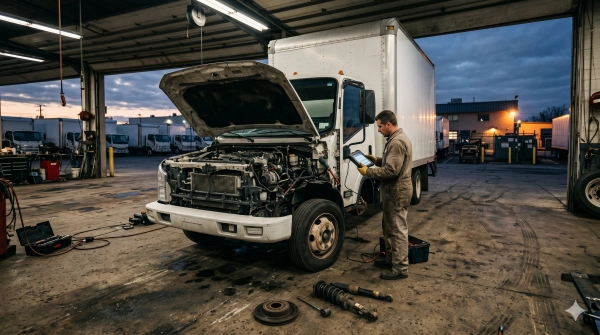
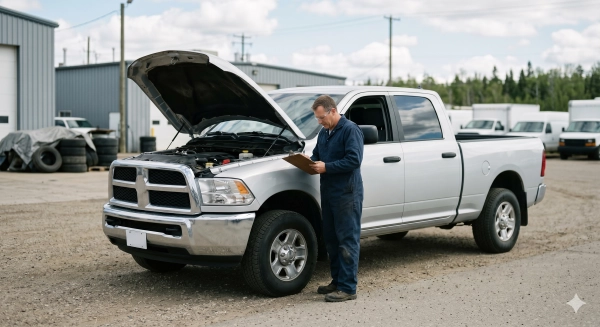
Trailer inspections are standard checks that ensure a trailer is safe, roadworthy and meets legal standards. They inspect brakes, lights, tires, wheel bearings, suspension, couplers, safety chains, reflectors and load security. Some areas establish inspection intervals based on use and weight class, with commercial trailers typically inspected prior to every trip and at prescribed service hour intervals. Entries include date, odometer or hour meter, items inspected, defects located, and repairs completed. Typical fail points are worn brake linings, underinflated tires, cracked lenses, corroded grounds, loose wiring, and seized hinges. To mitigate risk, utilize a checklist and simple tools such as a torch, tread gauge, torque wrench and multimeter. The next sections delineate steps, legal advice, and cost saving hints.
Why Trailer Inspections Matter
1. Beyond Compliance
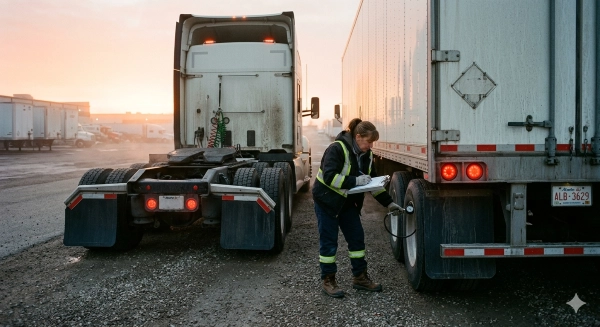
No, complying with the letter of the law just won’t do. A close inspection of brakes, hub seals, wheel fasteners, lights, and coupling gear uncovers latent defects that could otherwise become a breakdown or accident. Many failures start small: loose studs, hairline cracks in the fifth wheel plate, or heat checking on brake drums.
About – why trailer inspections matter. Crews learn to record drip leaks, strange tread wear or flicker on side markers and repair problems quickly. When teams go beyond the minimum code, uptime goes up and claims go down. Shippers observe and confidence flourishes. Build routines that hit regulatory boxes and daily operational needs: pre-trip walkarounds, end-of-day notes and a monthly deep dive with torque checks and brake stroke measurements.
2. Financial Realities
An emergency road call can cost three to five times a shop repair, plus tow fees and lost loads. If a seized bearing destroys a hub on the highway, you own parts, roadside labor, delay penalties, and possibly a lost contract.
Regular inspections reduce downtime by detecting weak air lines, thin pads or cords in tires before they blow. Good inspection records can help with reduced insurance premiums because risk decreases with evidence of management. Trace savings from avoided road calls, fewer fines and longer tire life to finance your programs.
3. Alberta’s Gauntlet
Alberta dishes out heat over 30°C, deep cold approaching −30°C, ice and extended gravel runs. These strain tires, suspension bushings, air systems, and wiring.
Adapt checklists: look for cut sidewalls from stones, cracked spring hangers, dry or swollen air bags, and brittle harnesses. Keep salt and grit corrosion in check with routine cleaning, coating, and grounds and lamp socket inspections.
Inspection frequency changes at seasonal shifts when freeze-thaw cycles open cracks and loosen hardware.
4. Insurance & Liability
Inspections, documented, help demonstrate due care post-crash/claim. A lot of insurers require evidence of periodic inspections in order to maintain coverage. Why Trailer Inspections Matter. Beyond skipped inspections increasing liability for owners and operators, critical defects can result in impoundment. Maintain organized electronic records – dates, defects, repairs, technician IDs – to expedite claims and audits.
5. Asset Longevity
Routine inspections – They prolong trailer life, detecting leaks, loose U-bolts and misaligned axles sooner rather than later. Leverage your data trends to coincide bearing kits, slack adjusters and lighting upgrades just prior to failure. Clean logs bolster higher resale. Include inspections as part of daily pre-trip checks and 12-month certified inspections by approved stations, necessary for commercial units above 4,500 kg. The regulations address rebuilt or transferred vehicles, and daily inspections are still obligatory. Remember that wheel separations invoke stringent penalties in Ontario under absolute liability legislation and non-compliance can result in fines and impoundment.
The Inspection Process
A comprehensive trailer inspection has a straightforward, sequential order to prevent misses and bias. We do a visual inspection and find some obvious wear. Hands-on tests verify operation under load. A standardized checklist ensures consistency and traceability across fleets and regions.
- Verify documentation: unit ID, plate, inspection expiry, and prior defects.
- Exterior walk-around: lights, reflectors, conspicuity tape, body damage, mudflaps, and signage.
- Frame and structure: Look for cracks, bent rails, rust scale, and loose crossmembers. Inspect suspect areas.
- Coupling includes kingpin or lunette, fifth wheel height, lock, safety chains, breakaway, and mounting bolts.
- Suspension and axles: springs, airbags, hangers, bushings, U-bolts, alignment marks.
- Wheels and tires: Tread depth in millimeters, even wear, cuts, valve caps, torque marks, bearings.
- Brakes: hoses, chambers, slack adjusters, lining thickness, drums or rotors, parking brake hold test.
- Electrical: plug, harness, junctions, grommets, ground points, all lamps under load.
- Air/hydraulic systems: leaks by sound and soapy water, pressure build, governor cut-in and out.
- Load securement and body: floors, posts, tie-downs, doors, seals, liftgates, ramps.
- Fluids on specialized units: hubs, hydraulics. Check for drips, wetness, loose fittings.
- Final function test: road or yard test for tracking, noise, and brake balance.
Visual inspections look for leaks, cracks, corrosion, and loose fittings. Hands-on testing pushes, pulls, presses, and holds. Use the same sequence every time to maintain quality consistency among teams.
Critical Components
- Structure: frame rails, crossmembers, kingpin plate. Check the scale of rust and cracks.
- Coupling: fifth wheel lock, jaws, kingpin wear, safety devices.
- Brakes: linings, slack adjusters, chambers, lines, parking hold.
- Wheels/tires: tread ≥ 1.6 mm, sidewall cuts, torque, bearings.
- Suspension: springs/airbags, hangers, bushings, alignment.
- Electrical/lighting: plug, wiring, grounds, all lamps.
- Air/hydraulic: leaks, pressure range, valves.
- Body and doors: hinges, seals, floors.
- Record each side. By history, tag high-failure items first.
Inspection Tiers
Daily walk-around inspections identify leaks, lighting malfunctions, and tire problems prior to going down the road. They’re mandatory and are commonly performed by the driver.
Periodic comprehensive inspections focus on brakes, suspension, and frame. Annual certifications assure legal fitness.
| Tier | Frequency | Depth | Responsible |
|---|---|---|---|
| Daily | Every 24 h | Visual + simple function | Driver/assigned staff |
| Periodic | Monthly/quarterly | Component-level tests | Shop tech |
| Annual | 12 months | Full code-based audit | Licensed technician |
Raise faults discovered at lower levels to shop or licensed facilities immediately.
Documentation
Log date, equipment, location, inspector, observations, remedial actions and parts used. The Inspection Process uses digital forms to reduce mistakes and accelerate inspections.
| Record Type | Storage | Retention | Access |
|---|---|---|---|
| Daily logs | App/cloud | 6–12 months | Driver, ops |
| Work orders | CMMS | 2–5 years | Maintenance |
| Certifications | Secure archive | Per law | Compliance |
Have a short management summary after each cycle with defect trends, downtime, and costs.
Here in Ontario, safety inspections adhere to the National Safety Code and must be conducted by licensed technicians at licensed stations for safety standards certificates, annual and semi-annual inspections. A commercial trailer over 4,500 kg requires inspection annually. Daily inspections by the driver are required. When titling a rebuilt vehicle, unfit to fit or an out of state transfer, a safety inspection must be completed. Units passing receive a safety standards certificate and vehicle inspection report, valid for 24 hours. Officers have the authority to remove plates and stickers and impound trailers with critical defects.
Consequences of Neglect
Trailer inspections, overlooked, scale risk across borders and industries in a flash. Minor problems, such as loose fasteners, worn seals, and rust, evolve into malfunctions that injure people, wreck property, and grind operations to a halt.
Roadside Realities
- Emergency list to keep in cab and depot: * 24/7 roadside service (regional and cross-border numbers).
- Main and auxiliary tow operators with axle and weight equipped rigs.
- Closest hospitals and emergency services by route corridor.
- Fuel, hydraulic oil or cargo leak spill responders.
- Insurer claim line and broker and policy info.
- Fleet manager on-call schedule and escalation path.
- Trusted repair shops and parts sources by town.
- Freight owner contacts and back-up delivery destinations.
- Local authorities and transport regulators to report incidents.
Salt, road grime and winter slush left unrinsed trap moisture and chloride, which accelerates corrosion of frames, brake lines and connectors. On pothole-hammered routes, shock loads snap air and hydraulic lines when fittings are loose or tanks are pitted.
Stranded units in remote or high-traffic zones add direct hazards such as low visibility, extreme weather, wildlife, or secondary collisions. Leaking fluids from failed seals and gaskets pollute soil and waterways and can catch fire if hot brakes or wiring spark.
Breakdowns force difficult choices: long waits for the right tow capacity, parts shortages, after-hours callout fees, and complex cargo transfers. Getting processes and contacts in advance saves time, reduces expense, and enables teams to respond with a cool, consistent method.
Legal Exposure
Courts are quick to interpret absent or inconsistent inspection as neglect, particularly where a preventable defect, such as worn brakes, cracked couplers, or compromised seals, causes a crash or spill. Operators and managers can be personally liable if they disregarded known defects or omitted required inspections.
Injury claims, cargo loss and environmental damage attract suits from drivers, consignees and surrounding communities. Violations can prompt recalls, enforcement actions and administrative monetary penalties. Keep old logs, repair orders, torque sheets and photos to prove due diligence.
Operational Collapse
Repeated failures wreck delivery windows, breach contracts, and push clients to competitors. Untrustworthy trailers lead to rescheduling, unproductive labor, cold-chain breaks, and empty dock spaces at a cost you can’t invoice back.
Long-term neglect attracts regulators. Fleets can be red-flagged, impounded, or shut down for safety defects and reporting deficiencies. Monitor inspection compliance rates, defect closure times, and corrosion findings, particularly around seals, gaskets, and high-salt routes. Neglected parts break when stressed, endangering people and nature and cracking brand loyalty among shippers and carriers alike.
The Digital Advantage
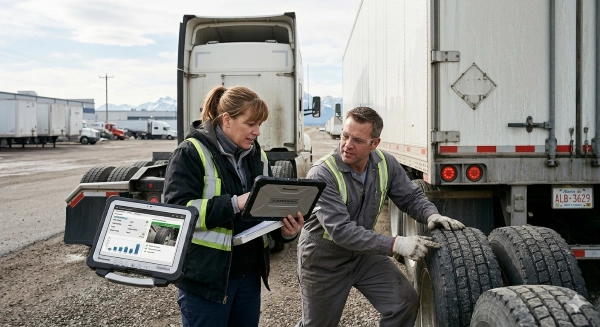
Digital trailer inspections move paper checklists into the 21st century. They accelerate the process, increase precision, and accommodate modern work habits. With results syncing in real time, drivers submit from a phone and fleet teams act at once. Photos, time stamps, GPS, and required fields enhance trust and reduce conflict. Automated reminders keep units roadworthy and in service. Combined with fleet systems, inspection data updates work orders, stock picks, and cost reports automatically without additional effort.
Predictive Maintenance
Inspection data trends can flag parts that fail on a cycle, such as brake linings near minimum thickness every 30,000 km or repeated light faults on older wiring looms. Utilize those trends to schedule service ahead of a failure, which keeps trailers drivable and repairable.
Put alerts for recurring faults, such as door seal gaps, same-axle tire cuts, and ABS sensor dropouts, so problems don’t hide in the noise. Associate alerts to risk scores, not just to counts.
Build a maintenance calendar with predictive inputs: mileage, load cycles, route roughness, climate, and past defect age. Then work during known idle windows to minimize downtime.
Check your predictive reports weekly. See what the model nailed, what it left out, and the repair effect. Fine-tune thresholds and labor plans as data accumulates and mix in cost and failure data to prioritize work that prevents the biggest losses.
Streamlined Records
Store inspections, photos, repair notes, and parts used are all in one digital hub. That single source gets audits and insurance claims moving quickly.
Fast access counts when you’re doing a compliance check. Access a trailer’s complete history by date, location, and inspector in seconds, with photo evidence of condition.
Automate record tasks, including time stamps, signatures, checklists, and defect closeouts, so admin drops and accuracy soars. This increases transparency and customer confidence.
Label inspections by trailer ID, date, depot, and inspector. Use conventional titles so the search is neat across groups and regions.
Enhanced Accuracy
Typical digital sheets eliminate guesswork. They direct inspections step by step and minimize skipped items.
Need key fields: tire pressure (kPa), brake wear (mm), VIN, prior to submission. No voids mean less recall.
Include pictures and brief video for damages. Image evidence provides objective, common sense data and validates repair suggestions.
Conduct quarterly audits of digital files. Identify duplicate listings, weird prices, and missing images. Educate participants and update templates.
Choosing Your Inspector
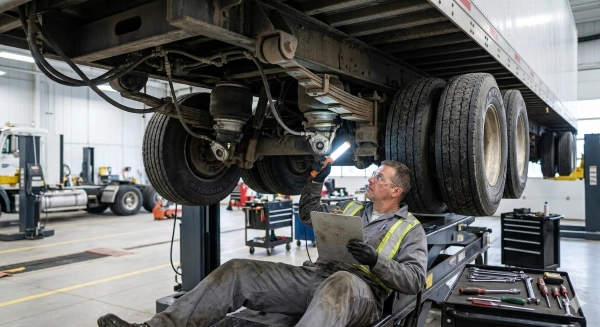
Select your inspector: Find one that combines technical expertise, code expertise, and ongoing quality monitoring. Target their ability to fit your schedule, with daily inspections good for 24 hours and twice-a-year necessities for select 10 or more seat vehicles.
Technical Expertise
Ask for formal qualifications tied to vehicle inspections and brand-agnostic experience across common trailer types: box, flatbed, tanker, and refrigerated units. Certifications in brake, electrical diagnostics, and emissions testing matter because defects and visible emissions beyond five seconds in any one-minute period can stop an inspection.
Confirm they can use advanced diagnostic tools: scan interfaces for ABS/EBS faults, brake stroke gauges, infrared thermometers for hub temps, battery and alternator testers, and smoke or pressure rigs for intake, exhaust, and air systems. A tech who understands CAN bus faults on modern EBS or how to test load-sensing valves and auto-slack adjusters will identify hidden issues.
Verify hands-on time with various makes and models. Ask for examples such as detecting kingpin wear on a 12,000 kg GVWR semi-trailer, tracing intermittent lighting faults from corroded grounds, or verifying reefer fuel system integrity. Probe their failure-point map, which includes cracked spring hangers, uneven brake lining, air leaks at push-in fittings, delamination on composite floors, and harness chafing at crossmembers.
Demand continuing education. Standards and tools shift, so demand courses and bulletins that are reviewed quarterly.
Facility Standards
Select neat, secure bays with lockout/tagout, spill containment, and tire cages. Clutter conceals faults and impedes labor.
Verify tooling depth: calibrated torque wrenches, brake measurement tools, alignment lasers or plates, smoke machines, emissions analyzers where required, load testers, and lift or pit access to inspect undercarriage points.
Lighting should be bright and uniform, with direct access to view landing gear feet, inner frame rails and the ability to inspect roofs. A raised platform or pit facilitates locating cracks, corrosion and wiring damage.
As watch workflow. Intake checklists, defect coding, and photo logs zip through the 24-hour validity window. A neat parts room and obvious tool shadow boards reduce wasted time.
Partnership Value
Seek transparent reporting complete with images, measured values and citations of applicable local regulations such as Alberta CVIP, Ontario commercial standards or region-specific emissions limits. Simple synopses assist in scheduling solutions quickly.
Value proactive advice: repair priorities, torque specs, parts lead times, and daily inspection tips to catch issues before travel.
Flexible slots, early, late, or on-site, minimize downtime for mixed fleets and hectic schedules.
With a trusted partner, tracks intervals, marks six-month inspections for ten or more seat vehicles and adjusts to evolving standards without fuss.
Beyond the Mandate
Voluntary trailer inspections give you a margin of safety that legal checks don’t. They assist in spotting premature wear, validate fixes that withstand stress, and demonstrate appropriate care to customers and underwriters. Step up frequency for harvest hauls, holiday freight peaks, or long road trips and after every collision or frame work. Record dates, findings, parts replaced, and torque values to build proof of diligence. In Ontario, officers can impound buses, trucks, or trailers with critical defects and remove plates and stickers on the spot. Proactive checks are risk control, not just best practice.
Pre-Purchase Diligence
A complete pre-buy inspection of a used trailer safeguards your budget and keeps critical uptime intact. Start with frame rails, coupler, kingpin, crossmembers, landing gear, and suspension mounts. Inspect brake lines, air tanks, and chambers for corrosion. Watch for heat checks on drums, uneven rotor wear, and slack adjuster travel out of specification. Check wiring looms, grounds, and lighting housings for moisture. Pinholes in exhaust components on tow units or integrated gensets can fail safety inspections, so scan for leaks and soot.
Scan for undisclosed crash or flood history. Uneven tire wear can indicate bent axles. New paint over pitting means serious rust. Delam on composite sidewalls, ripples near the neck or weld spatter on clean metal suggest repairs. Bring a paint gauge and straightedge to measure ride height and axle spacing. If you can, weigh the trailer against the plate to flag mast structural additions.
Request service logs, inspection stickers and warranty records. In Ontario, while some vehicles require annual inspections, such as certain buses at or below 4,500 kg for personal use and pick-up-truck trailers that satisfy specific criteria, most trucks, trailers and converter dollies over 4,500 kg do not. A record assists resale and compliance reviews. Use one checklist across all candidates to compare apples to apples: brake life, bushing wear, harness condition, floor integrity, door seal compression and VIN tag clarity.
Post-Repair Verification
Following significant work, brakes, hubs, suspension, lighting harness, and structural welds need re-inspection from a certified technician prior to re-entry.
Validate fixes under actual load. Take a road test of a minimum of 10 to 20 kilometers, then recheck hub temperatures with a spread of 15 degrees Celsius or less, retorque wheels, and inspect air pressure drop. Ontario establishes duty-time regulations for commercial operators, so schedule trial runs within those bounds.
Capture insights for warranty and audits. Record man hours, component numbers, brake stroke measurements, ABS blink codes, and torque specifications. If a wheel comes off, fines can range from $2,000 to $50,000 and a critical defect can initiate impoundment. Stations establish their own yearly inspection prices, so garage prices never miss check.
Conclusion
To maintain a trailer for safety and road readiness, follow a defined schedule. Conduct trailer inspections routinely. Record every inspection with dates, faults, and repairs. Use an easy app to click photos, send notifications, and share reports. This saves time and reduces errors. For heavy loads or long trips, book a professional check once a year. Request a sample report and evidence of trade expertise. Little repairs now beat huge charges later. A cracked light cover, a weak tire, or loose wiring can stall a route fast.
So, let’s get … tighter! Choose your date, customize your checklist, and begin your first walkaround this week! If you’d like a starter template, let me know.
Frequently Asked Questions
How often should I schedule a trailer inspection?
Majority of trailers require annual comprehensive inspections. High-mileage or commercial use might require checks every six months. As always, adhere to local regulations and the manufacturer’s recommendations.
What does a professional trailer inspection include?
Inspectors examine brakes, tires, lights, suspension, coupling, frame, wiring and safety equipment. They check for corrosion, leaks, cracks and loose fasteners. A roadworthiness test and a written report are standard.
Why are trailer inspections important for safety and costs?
Inspections identify small problems before they break. It cuts down on breakdowns, accidents, and repair expenses. You increase the trailer’s lifespan and shield cargo and drivers.
What are the risks of skipping trailer inspections?
You’re calling in trouble—fines, failed roadside inspections, downtime, increased repair costs, and crashes. Insurance claims can be refused. You damage resale value and your safety record.
Can digital tools improve the inspection process?
Yes. Digital checklists, photos, and timestamps establish transparent trails. They accelerate inspections, monitor problems, and plan repairs. This enhances compliance and minimizes human error.
How do I choose a qualified trailer inspector?
Choose a certified, professional inspector with great ratings and transparent rates. Request sample reports, insurance documentation, and turnaround times. Know your trailer type and regulations.
What maintenance should I do between inspections?
Take quick checks and pre-trips. Check tire pressure, lights, brake feel, coupler security, and visible damage. Grease moving parts as recommended. Remedy immediately to avoid failures.
Need help keeping your truck or fleet road-ready? Browse Hart Transmission and Mechanical’s service resources for professional repairs, diagnostics, and preventative maintenance.
Fleet Services and Preventive Maintenance
Want to learn more about commercial trailer safety, inspections, and transportation regulations? Explore these trusted educational and government resources for additional insights.
Transport Canada Road Transportation Safety