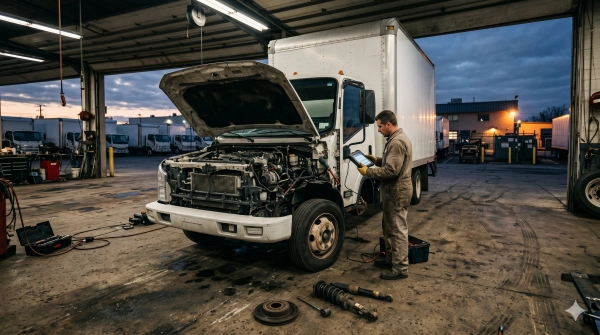
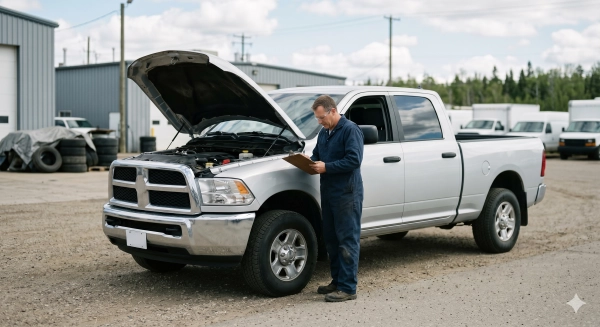
- Key Takeaways
- Why Your PM Program Fails
- Master Alberta’s Compliance
- Build a Resilient Strategy
- Conquer Seasonal Extremes
- The True Cost of Neglect
- Partner for Fleet Success
- Present Hart Transmission and Mechanical as a trustworthy fleet maintenance provider with deep Alberta industry knowledge.
- Highlight the company’s commitment to compliance, safety, and operational excellence for commercial fleets.
- Showcase a wide range of services, from preventative maintenance to emergency repairs and technical support.
- Invite fleet owners and maintenance supervisors to build a successful relationship with a strategic partner dedicated to reliability and cost control.
- Conclusion
- Frequently Asked Questions
- What makes a preventive maintenance (PM) program fail in Alberta?
- How do I stay compliant with Alberta’s Commercial Vehicle regulations?
- How often should fleet inspections occur in extreme cold?
- What are the hidden costs of skipping maintenance?
- How can I build a resilient fleet strategy for Alberta conditions?
- What seasonal steps reduce winter failures?
- Why partner with a fleet maintenance provider?
Key Takeaways
- Transition from reactive repairs to a proactive maintenance program to reduce expensive repair costs and increase safety records. Book inspections and routine maintenance to minimize roadside breakdowns and safeguard warranty coverage.
- Craft a systemized schedule that matches up CVIP needs, manufacturer intervals and trip plans so you never miss. Standardize with templates and forms to stabilize parts inventory and reduce downtime.
- Fortify data with digital fleet tracking, computerized invoicing, and accurate record keeping for audits. Go over trip inspections, service orders, and maintenance logs regularly to follow warranties and common problems.
- Commit to your people with continuous training, certification, and mentorship to bridge diagnostic and repair skills gaps. Collaborate with established organizations and license technicians for business inspections to maintain security and standards.
- Tailor maintenance for seasonal and route conditions to avoid unnecessary breakdowns. Get ready with winter and summer checklists, fine-tune intervals for corrosion and heat stress, and inventory key supplies in advance of weather changes.
- Our adherence to Alberta Transportation and NSC standards upholds a clean Safety Fitness Certificate. Stay up to date with CVIP reports and written maintenance plans to prevent fines, out-of-service orders and reputation damage.
Alberta fleet maintenance is the systematic maintenance, servicing, and monitoring of commercial vehicles that traverse Alberta’s highways and job sites. It encompasses general maintenance, oil and filter changes, brake and tire service, battery and electrical diagnostics, and cold weather preparation. Shops and in-house teams utilize service logs, telematics, and preventive schedules to reduce downtime and comply with Alberta’s safety codes. Typical targets are 5,000 to 8,000 kilometers service intervals, inspections every day before trips, and rigorous recordkeeping to get through audits. Most fleets employ winter-grade fluids, block heaters, and corrosion control because of road salt and extended freeze durations. To assist in planning a realistic program, the following sections outline standards, cost control hints, tools, checklists, and vendor choices in Alberta.
Why Your PM Program Fails
PM alone cannot carry Alberta fleets. Most failures are random, not age-based, so fixed schedules overlook the real hazards. A practical program mixes daily inspections, data discipline, talented individuals, and schedules linked to routes, shipments, and seasons.
1. Reactive Culture
Waiting for breakdowns fuels emergency tows, OT, and rental units. Costs spike when small drips become cooling failures on Hwy 2 or brakes are overheated on grades. Turn it from firefighting to set inspections, fluid analysis, and torque checks at intervals of kilometers. Daily walkarounds find loose air lines and uneven tire wear that a monthly PM may miss. Reactive fleets create bad safety records, experience more roadside inspection failures, and accumulate out-of-service events. Warranty claims get denied when root causes demonstrate neglect, and parts age rapidly when defects linger. Only 18% of failures are due to age. The remaining 82% behave randomly. A “run-to-fail” habit discounts this and suffers the consequences.
2. Inadequate Planning
Missed CVIP windows and Alberta’s rule gaps when no one owns the calendar cause units to float between depots and trips to run over service dates. Develop a rolling 12-month plan that aligns CVIP, OEM service intervals, and tire rotations with duty cycles, routes, and layovers. If you use the same forms and sample task lists across city crews and private fleets, you will reduce variance. Poor scheduling ruins components management. Stockouts on brake chambers or DEF sensors park vehicles for days and drive downtime well beyond goals.
3. Poor Data
With incomplete records, you violate National Safety Code maintenance rules and compromise audits.
| Data gap | Real-world impact on fleet health |
|---|---|
| Missing work orders | Can’t prove CVIP readiness; repeat faults hide. |
| Paper-only trip checks | Trends in leaks, tire wear, lights lost. |
| No digital invoicing | Hard to link parts to VIN; cost blind. |
| Stale service history | Warranty, service cadence, repeats unclear. |
Digital tracking, e-invoicing, and regular trip inspection and job card reviews. Random failures are transparent to time-based PM. Only quality data reveals trends.
4. Skill Gaps
Keep supervisors, heavy equipment techs, and apprentices in ceaseless training up to date. Collaborate with SAIT and NAIT for CAN bus, ABS, and diesel aftertreatment diagnostics. Establish mentorship on transmissions, high-voltage hybrids, and ADAS calibrations. Certify mechanics for trucks, buses, and trailers per law, so CVIP and road calls are code every time.
5. Ignoring Conditions
Alberta’s freeze-thaw, dust and road salt require custom checks. Scale inspections for heavy trucks, diesel and mixed fleets by season and watch corridor trips for extreme cold or gravel wear. Lead to failure through the Infant Mortality Trap. Use a hybrid strategy: daily inspections plus smart PM tied to condition. Daily checks get visible wear quickly, while PM deals with the 18% age-based chunk. The PM paradox is real. Random failures require eyes, not clocks.
Master Alberta’s Compliance
Compliance links your daily shop work to Alberta Transportation regulations and the National Safety Code (NSC). Mastering these responsibilities safeguards your Safety Fitness Certificate, mitigates risk, and maintains units in service.
The CVIP Standard
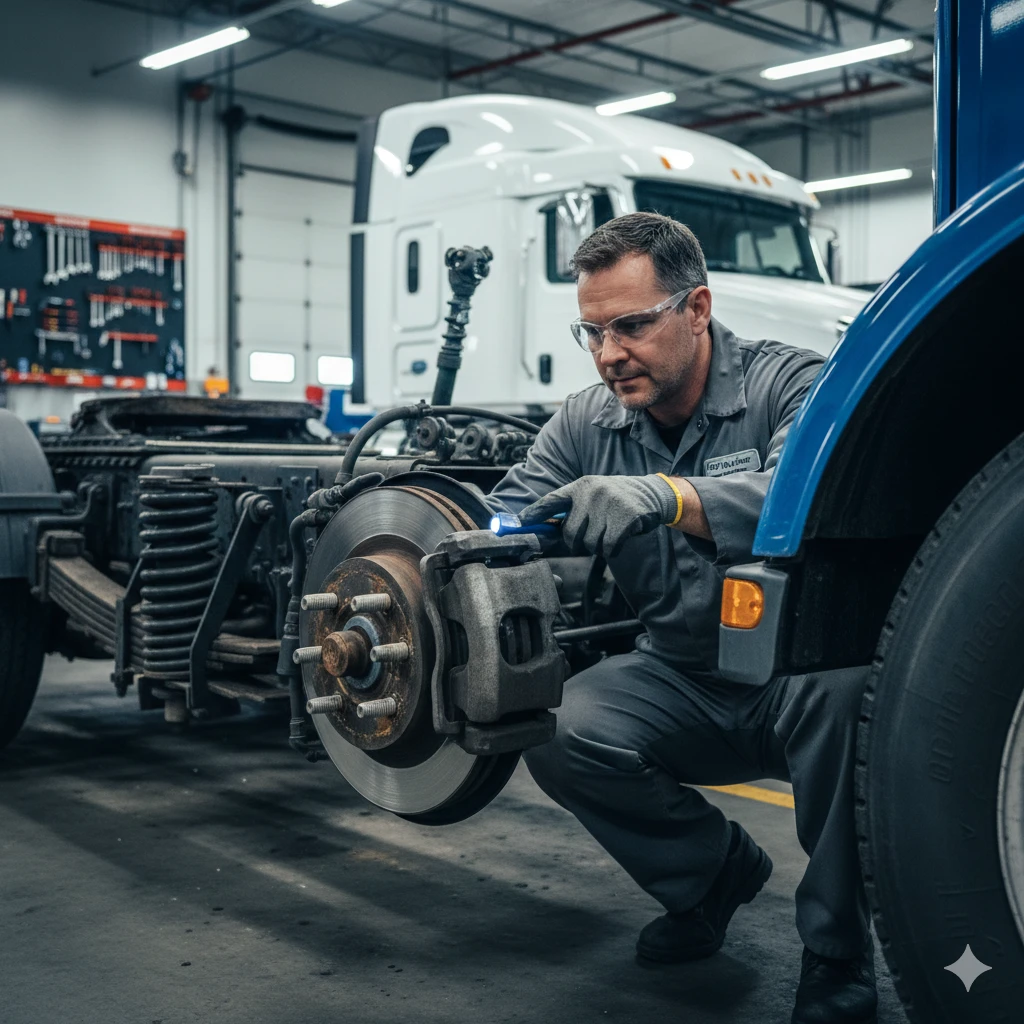
CVIP inspections are required for commercial trucks, tractors, trailers, and buses and can only be conducted by certified inspectors at licensed inspection facilities.
Inspectors review core systems per the CVIP module: brakes (linings, drums, air loss), steering (linkages, power assist), suspension (springs, airbags, shocks), lighting and electrical (headlamps, markers, wiring), and safety gear (reflectors, fire extinguisher, triangles). A lot of fleets will ask for add-ons, such as tire tread depth or frame checks for older units.
Save a copy of every CVIP report, defect list and repair sign-off with the unit file. File digital scans connected to the plate, VIN and unit number for rapid retrieval during a roadside inspection or audit.
Failed CVIP can cause fines, out-of-service orders and re-inspection fees. It marks you for increased scrutiny, endangering your Safety Fitness score and insurance rates.
Written Plans
Develop a written servicing schedule that establishes inspection cycles by duty cycle, such as 10,000 km or 250 engine hours, service steps, component specs, torque values, and who approves.
Include policies for daily trip inspections, roadside breakdown flow (driver actions, tow approval, scene safety), and warranty claims with necessary photos, fault codes, and vendor contacts.
Use NSC guidance or municipal fleet standards templates and checklists to sync city divisions and private depots. Standard forms minimize gaps as units move from shop to shop.
Check in and revise plans at a minimum annually, or when new equipment arrives, duty cycles adjust, or the Alberta Traffic Safety Act regulations shift.
Detailed Records
Keep full records: service history, inspections, repair orders, parts invoices, calibration sheets, fluid samples, and recalls. Attach files to VIN and unit number.
Employ a telematics fleet solution to record kilometres, engine hours, fault codes and component life (brake chambers, airbags, DPF). Telematics can alert based on time or distance due to work.
Keep records handy for audits, insurance, or warranty verification. Rapid access reduces delays and conflicts.
Audit files per quarter. Spot check your dates, signatures, and closed defects to avoid penalties and legal exposure.
Build a Resilient Strategy
Resilience means anticipating threats, gaps, and risk so routine work remains on course. It mixes forward-looking maintenance, savvy tech, talented technicians, and adaptive schedules that accommodate hybrid fleets and rugged equipment. It ‘thumbs through’ econ, social, tech, and global trends, updating systems and shifting toward cleaner fuel and power.
Proactive Mindset
Service based on engine hours and kilometers, not gut instinct. Secure regular fixed periods for fluids, filters, brakes and torque checks, then commit to them with an open calendar and easy checklists. This eliminates unexpected breakdowns and keeps trucks prepared for Alberta’s temperature fluctuations and backcountry roads.
Make a habit of drivers and operators flagging defects immediately post-trip. Quick notes on tire wear, leaks, and lights provide a head start on fixes. Small problems become big if they hang around.
Set CVIP date reminders, warranty expiries, and major services such as timing belts and DPF cleanings. Missed milestones incur preventable expenses and unanticipated halts.
Analyze work orders and sensor data to identify trends, such as recurring ABS issues on a specific model, premature battery failures during winter months, or increased idling in specific sites. Address causes with specific parts, training, or vendor swaps. Leave space in the strategy for testing renewable diesel, biodiesel blends, or a hydrogen pilot to test fit and cost.
Smart Technology
Embrace a CMMS to plan jobs, record components, and monitor workers. Link it to stock to bypass waiting. Build a resilient strategy.
Integrate GPS and telematics for location, harsh events and live fault codes. Leverage coolant temperature, DPF status and brake wear signals to time pulls. Pit stops are better than road service calls.
Go paperless with digital inspections, including photos and automatic notifications for overdue work or red-tag defects. This quickens triage and audit and clarifies records.
Study the data to right-size intervals, tune PMs and lower fuel burn. Test results should drive a shift toward EVs, chargers, or other green tech when TCO and uptime justify it.
Invested People
Steady training on diagnostics, high-voltage safety, torque specs, and new fluids with refreshers after model updates.
Support managers to establish norms, verify check excellence, and implement the plan with just hard strides. Celebrate techs who achieve first-time fix, clean audits, or uptime increases with public recognition, bonuses, or career development opportunities.
Maintain a close feedback loop between drivers, mechanics, and managers. Short daily huddles, shared KPIs, and a fast defect-to-work-order flow speed fixes. About: Build a resilient strategy. Use pilots to test tools or fuels, then change course as new risks or trends show.
Conquer Seasonal Extremes
Alberta’s extreme temperature fluctuations test engines, tires, fluids and electrical systems. Your plans need to shift with the season to keep your uptime, safety and costs in control.
- Plan seasonal inspections: batteries, charging systems, hoses, belts, brakes, tires, fluids, lights, and HVAC. Conquer seasonal extremes by using season-rated oil so it does not get too thick in winter or too thin in summer.
- Adjust service intervals: Road salt, hard cold starts, and long hot highway runs speed wear. Shorten oil, filter, and brake checks by 15 to 25 percent in peak months.
- Stock key supplies: winter washer fluid, blade sets, tire chains, coolant premix at −37°C, spare belts, fuses, and emergency kit items. Summer A/C refrigerant, coolant testers, and spare hoses.
- Train drivers and techs: pre-trip checks, tire pressure habits, idle limits, block-heater use, A/C load impact, and post-salt wash routines. Good habits can yield up to ten percent fuel savings.
Winter Preparation
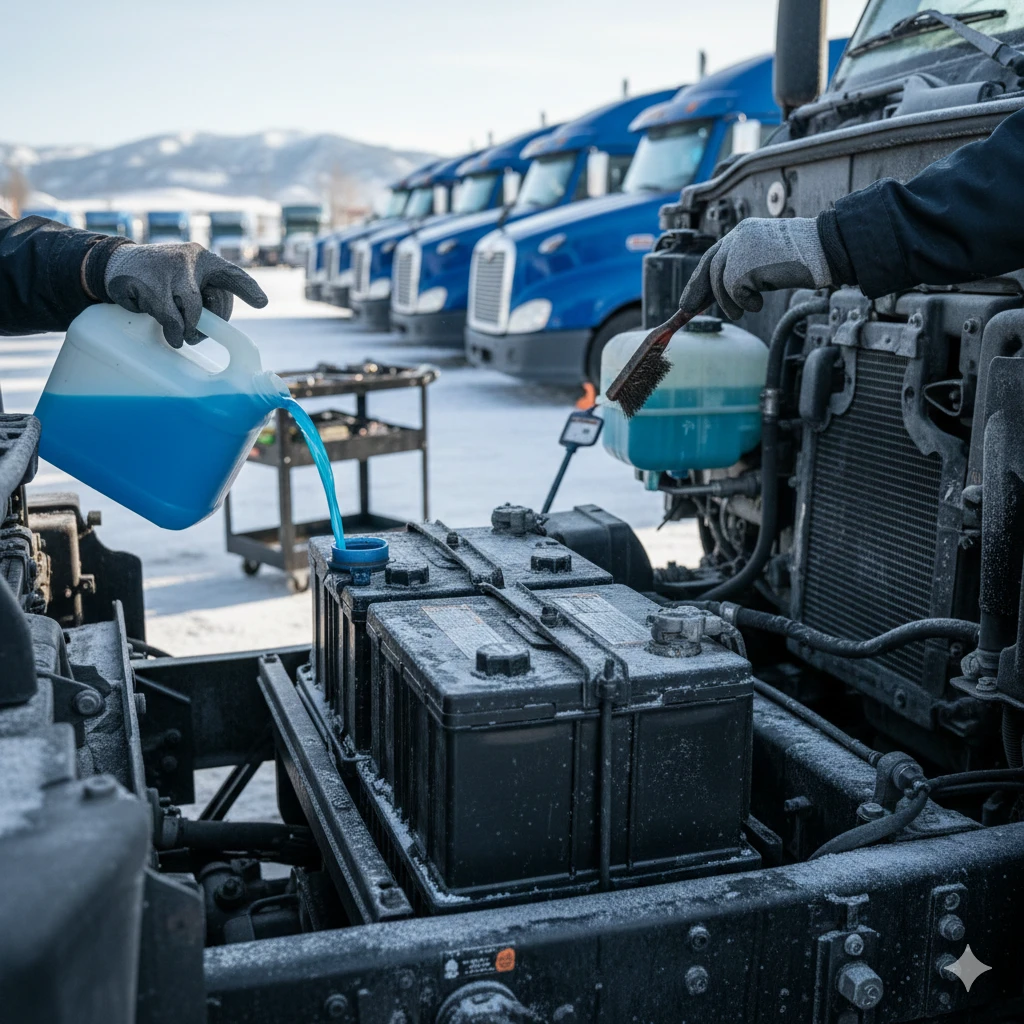
Prepare to Conquer Seasonal Extremes Tin roofs don’t scare you. Cold cranking amps drop quickly in sub-zero temperatures, so load test batteries and clean terminals. Check cabin heat and defrost for clear glass. Test block-heater cords and resistance, and label plug points at yards to reduce start delays. Seasonal oil and the right coolant mix help avoid thick oil and ice crystals, minimizing wear and start times.
Prior to winter, inspect your tires for tread depth, alignment and pressure. The safer you drive on icy roads, the better. Target at least 6mm on drive axles. Pressures are affected by cold surroundings. Cold air can reduce pressure by 1 to 2 psi for every 10°C drop. Apply snow-rated tire compounds where permitted. Misalignment just exacerbates edge wear on slush-rutted roads.
Take on the seasonal extremes: Anti-corrosion treatments protect your undercarriage and brake components from road salt. Coat frames, brake lines, and mounts. Rinse out underbodies weekly. Salt accelerates caliper seizure. Regular brake checks ensure you don’t get snagged with an unexpected tug.
Refresh emergency kits in all fleet vehicles with winter-specific supplies and instructions. Include traction aids, thermal blankets, a shovel, flares, a phone list, and a step-by-step breakdown guide.
Summer Readiness
Service your A/C, cooling system and radiator hoses in order to avoid overheating. Pressure-test caps and flush coolant. Scan for fan faults and inspect fins for debris. Smart cooling prevents heat soak on long grades and heavy hauls.
Check and replace worn wiper blades, filters, and fluids for the best summer performance. Pollen, bugs, and dust clog intakes. Change your air and cabin filters frequently.
Conquer Seasonal Extremes Keep an eye on your tire pressure and tread to avoid blowouts when operating in high heat. Heat increases psi and breaks down casings. Check daily, rotate on schedule, and retire heat-cracked sidewalls.
Book extra inspection for vehicles for construction/manufacturing/heavy haul going into peak season. Excess loads and dust dirtied component life. Seasonal check-ups, such as fluids, tread, battery tests, and brakes, help to avoid emergency visits. Sixty-eight percent of roadside incidents are preventable. Fleets with consistent maintenance survive approximately thirty percent longer.
The True Cost of Neglect
Little slips add up quick in Alberta fleet maintenance. They manifest as idling trucks, safety incidents, penalties, and tarnished reputation. The hit is monetary, legal, and strategic.
Downtime Losses
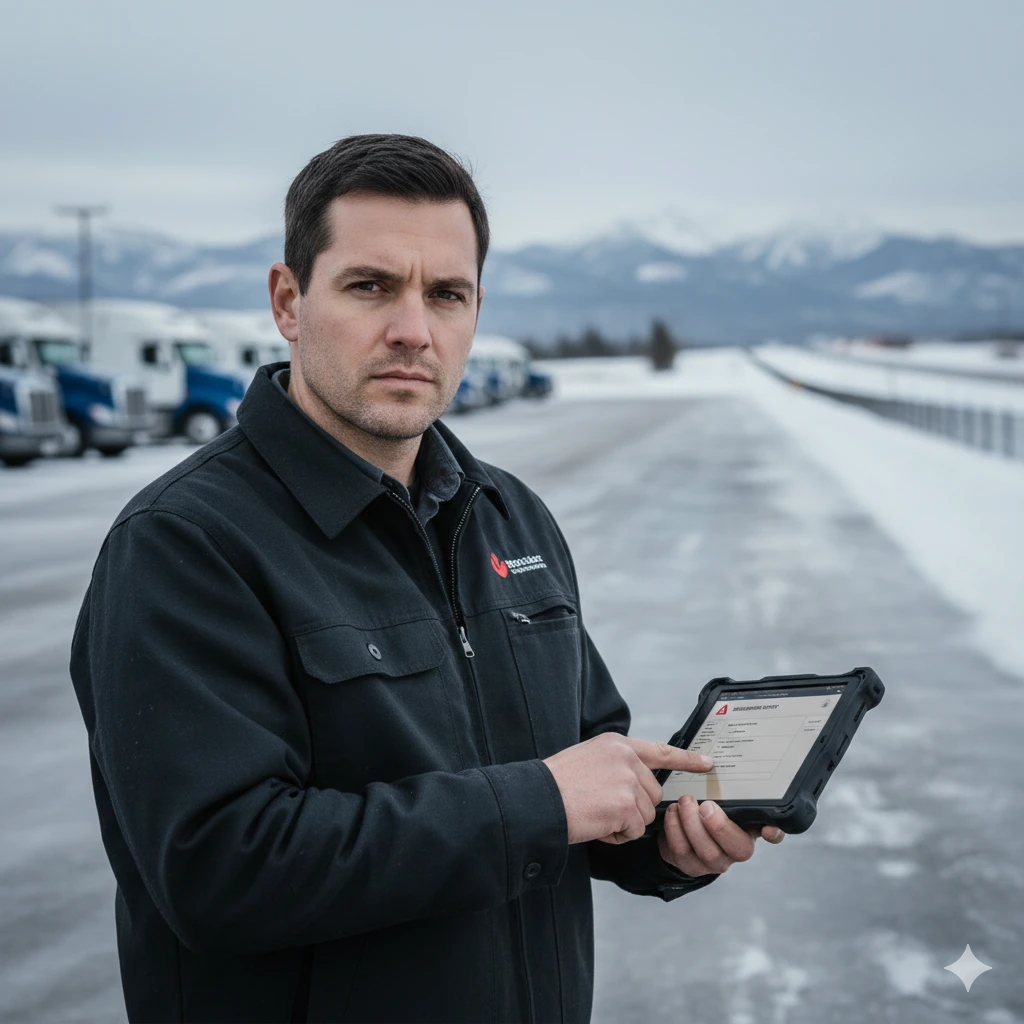
- Define the unit cost per vehicle-hour: include driver wages, fixed overhead, and average revenue per hour. One day of detention can slice revenue between $800 and $1,500 or more depending on load type, distance, and current market rates.
- Add direct incident costs: Towing and emergency service often run between $500 and $2,000, rising with terrain and distance. Add in parts premiums and after-hours labor.
- Add ripple costs: missed time windows, penalties from shippers, load transfers, hotel and layover pay, and loss of backhauls.
- Compare baselines: Emergency repairs are typically two to four times costlier than planned work due to call-out fees, parts scarcity, and collateral damage.
- Model frequency: Track breakdown rate per 100,000 kilometers, average hours to restore, and variance by asset class to forecast risk.
Delays disrupt delivery chains for urban units and private fleets. Neglected pickups send docks off-slot, create overtime, and upend customer commitments. Skipping preventive maintenance results in breakdowns that shatter daily plans and margins.
It is important to track trends. Record each incident with cause, part, time to repair, and supplier. Plot by season, route, and equipment age to prioritize.
Safety Risks
- Worn brakes, thin pads, cracked drums
- Underinflated tires, uneven wear, blowouts
- Steering play, loose suspension, failed shocks
- Dim lights, dead signals, poor visibility
- Leaks, failed belts, overheating, fire risk
- Late oil and filter changes that speed engine wear
Neglect is a leading cause of breakdowns that leads to increased accident and insurance claims as well. Brake failures alone can result in fines ranging from $310 to $2,000, along with liability exposure. Daily trip inspections catch issues early, and quick repairs save your safety score and uptime. Repeated safety training for drivers and mechanics is needed to keep checks regular and habits sharp.
Compliance Penalties
| Penalty type | Impact |
|---|---|
| CVIP lapse | Fines, roadside OOS, lost days |
| Defect not repaired | Tickets, points, audit flags |
| Record gaps | Fines, failed audit, rating drop |
| Brake/weight/light faults | On-the-spot fines, tows |
Roadside and audit files – CVIP certificates, recent inspection reports, repair orders, driver daily inspections, maintenance forms. Skipping CVIP is costly: fines, risk, and downtime. Repeat violators within fleets get tighter oversight and more stops. Stay up-to-date and on top of your records.
Partner for Fleet Success
HART Transportation and Mechanical is your partner for fleet success. We back Alberta fleets with down to earth service, local expertise, and transparent standards. The goal is simple: safe vehicles, steady uptime, and predictable costs across light, medium, and heavy-duty units that run year-round in variable weather.
Present Hart Transmission and Mechanical as a trustworthy fleet maintenance provider with deep Alberta industry knowledge.
Hart’s team partners with fleets that battle cold starts in −30°C, road salt, heavy loads and long-haul runs. That context shapes every plan: battery health checks before winter, rust control on frames and brake lines, diesel fuel conditioning, and coolant mix set for sub-zero days. Shops stock common parts for domestic and import makes to reduce wait time. Technicians record torque specs, fluids, and historical faults by unit ID, so service is consistent and quick.
Highlight the company’s commitment to compliance, safety, and operational excellence for commercial fleets.
Our service ways meet provincial and federal regulations for commercial carriers, emissions and inspections. Workflows connect to checklists for brakes, steering, lighting and securement, with defect logs saved for audits. Hart drives smarter vehicle lifecycles by helping you map out unit sale timing, target the ideal resale window, and define replacement specs that maximize safety, payload and fuel efficiency. It creates a velocity cycle that reduces average fleet age on budget and ushers in newer, safer vehicles.
Showcase a wide range of services, from preventative maintenance to emergency repairs and technical support.
Programs span PM intervals by hours, kilometers, and duty cycle. This includes oil, filters, and coolant analysis, tire programs with brand-name choices at preferred commercial rates, quick install and balance, alignments, and TPMS inspections. Break/fix support encompasses transmissions, differentials, aftertreatment, electrical faults, and hydraulics. On-road assistance and after-hours servicing minimize your downtime. A data layer tracks uptime, fault codes, tire wear rates, fuel use, and cost per kilometer, so your decisions are data-driven and easier.
Invite fleet owners and maintenance supervisors to build a successful relationship with a strategic partner dedicated to reliability and cost control.
Hart establishes common KPIs, including uptime, mean time between repairs, parts turns, and labor hours, and convenes on a regular cadence to review trends. Local, hands-on management coupled with award-winning tech and infrastructure expertise unlocks cost savings. Sanitation inspections keep cabs and buses safe and clean for daily labor and commuter travel. Sustainability gets integrated with low-ash oils, route and idle cuts, and sourcing lower-emission tech where it fits.
Conclusion
To power an Alberta fleet, link PM with risk, cost and uptime. Define service plans by class, route, load, and age. Monitor essentials such as brakes, tires, fluids, lights and DEF. Alberta fleet maintenance. Close work orders quickly. Log the root cause. Post to Tumbler. Alberta fleet maintenance.
To comply with Alberta regulations, maintain detailed documentation. Match DVIRs to repairs. Save torque specs, torque dates and brake work logs. Recall blocks for out of service fault. Audit files per month.
To confront cold snaps and thaw, prepare parts and personnel. Exchange fluids for cold grade. Stage cords, filters, and tire stock. We’ll train your drivers on cold starts and road salt wash.
Need a hand to tune your plan or tools! Contact me for a fast, no-hassle review.
Frequently Asked Questions
What makes a preventive maintenance (PM) program fail in Alberta?
No data, sporadic schedules and shoddy documentation. Toss in severe weather and road conditions, and minor problems expand quickly. Repair it with a risk-based PM plan, digital inspections and technician training.
How do I stay compliant with Alberta’s Commercial Vehicle regulations?
In compliance with Alberta Transportation and the National Safety Code, maintain daily inspections, maintenance, and repair logs. Schedule CVIPs promptly. Audit your files quarterly to avoid fines and downtime.
How often should fleet inspections occur in extreme cold?
Inspect more during freeze-thaw cycles. Check your batteries, fluids, brakes, heaters, and tires on a weekly basis. Block heaters and winterized fluids are rated for the expected temperatures. Trace log everything.
What are the hidden costs of skipping maintenance?
Fuel waste, tire wear, roadside breakdowns, warranty denials and safety risks. Unexpected downtime annoys customers and cash flow. A small leak today becomes a major repair tomorrow.
How can I build a resilient fleet strategy for Alberta conditions?
Utilize seasonal PM checklists, telematics alerts, and parts forecasting. Standardize SOPs, train drivers on defect reporting, and establish KPIs such as cost per kilometer and uptime. Review every quarter and tweak.
What seasonal steps reduce winter failures?
Winterize fluids, test batteries, protect air lines, rotate to winter tires, and inspect heaters and defrosters. Scrape ice and wash undercarriages to avoid corrosion. Keep emergency kits in every vehicle.
Why partner with a fleet maintenance provider?
You get certified technicians, compliance expertise, mobile service and data-driven planning. That reduces downtime, boosts safety ratings, and maximizes asset lifespan. Providers assist in audit preparation and total cost of ownership optimization.
Looking for fleet-focused support? Browse Hart Transmission resources for professional diagnostics and repairs.
Fleet Services and Preventive Maintenance
For additional insight explore the resources listed below.
Vehicle Inspection Program – Commercial Vehicles
Alberta Transportation – Commercial Vehicle Inspection Program (CVIP) FAQs