- Key Takeaways
- Understanding Alberta CVIP Inspections
- Why Fleet Maintenance Fails
- Building a Proactive Program
- Beyond The Sticker
- The Strategic Partnership Advantage
- Preparing Your Vehicle
- Conclusion
- Frequently Asked Questions
- What is an Alberta CVIP inspection?
- How often do I need a CVIP inspection in Alberta?
- What causes fleets to fail CVIP inspections?
- How can I build a proactive maintenance program?
- Does the CVIP decal guarantee my vehicle is safe all year?
- What should I do before a CVIP appointment?
- Why choose a strategic maintenance partner for CVIP?
Key Takeaways
- Alberta’s Commercial Vehicle Inspection Program is mandatory and helps ensure commercial vehicles meet safety and regulatory standards. Trust licensed centers and certified inspectors to keep you compliant and keep the road safe.
- Generally, commercial vehicles must undergo inspections every year, although certain classes may require more frequent inspections. Stay on top of deadlines and schedule in advance to prevent fines and downtime.
- Inspections check vital systems such as brakes, steering, suspension, tires, lights, and structure. Keep maintenance in line with the national safety code and Alberta regulations to pass the first time.
- Fleets typically fail because of reactive maintenance, poor scheduling, technician skill gaps, bad data habits and short term cost cutting. Business Model: Move from reactive ‘putting out fires’ to proactive planning, qualified staffing and recordkeeping.
- Construct a forward-looking plan with fleet software, electronic records, service standards, and continuous training for drivers and mechanics. Standardization across trucks and plants encourages safer execution and simpler audits.
Being #stronglycompliant brings benefits beyond the inspection decal like improved insurance results, increased resale value, and enhanced brand image. Teaming up with a seasoned, certified vendor expedites inspections and cuts down on paperwork.
Alberta CVIP inspection is a required commercial vehicle safety check in the province within the Commercial Vehicle Inspection Program. These inspections check major components including brakes, steering, suspension, lighting, tires, wheels, frames, and powertrains to verify roadworthiness and legal compliance. Vehicles over 11,794 kg, buses with more than 10 seats, and some trailers require annual or semi-annual inspections depending on class and use. Licensed facilities and certified technicians have to perform the inspection, and a vehicle that passes receives a decal and report. Anything that fails is in need of repair before re-inspection. Records are to be kept on file, as enforcement can ask for evidence at any time. The following sections describe scope, timelines, costs, and prep steps for seamless compliance.
Understanding Alberta CVIP Inspections
Alberta CVIP Inspections Explained The Commercial Vehicle Inspection Program (CVIP) is a compulsory commercial vehicle safety inspection. It verifies that every vehicle complies with the province’s inspection criteria and meets national safety regulations. Licensed facilities and certified inspectors conduct these inspections to identify safety hazards prior to hitting the road and to keep the public safe.
The Mandate
Most commercial trucks, tractors, and buses exceeding a set GVWR, typically between 4,500 and 11,800 kilograms depending on class, are required by Alberta law to undergo annual CVIP inspections. It is implemented by provincial regulators through audits, roadside inspections, and paperwork checks.
You must have a current inspection certificate and decal to operate a commercial vehicle. Without them, vehicles can be put out of service. Certain vehicles are exempt, like farm-plated units used on a very limited basis or some off-road equipment, but the majority of commercial carriers have to abide.
The Frequency
CVIP inspections occur every year for most fleets operating in the province. Many carriers schedule them near registration renewals to keep their records clean and their drivers’ downtime to a minimum.
Some vehicles have shorter cycles. Passenger buses, school buses, and emergency vehicles could need a semi-annual check because of their increased risk and duty cycles. Many transit fleets incorporate inspections with seasonal maintenance.
Late deadline invites fines, roadside holds or insurance hurdles. Keep tabs on expiration dates, get reminders 30 to 60 days ahead and book in advance with a certified facility, particularly prior to your busiest season. A quick pre-inspection check, including lights, tire tread depth in millimeters and brake feel, keeps you from a second trip.
The Scope
CVIP inspections assess core systems: brakes, steering, suspension, tires and wheels, lights and electrical, driveline, frame, body, fuel, and exhaust. Inspectors look for wear, leaks, cracks, misalignment, and any defect that could affect safe use.
Only mechanical and structural items are inspected. That consists of frame corrosion, crossmember damage, brake lining thickness, steering play, air system leaks, and securement of tanks and batteries. These items are required to meet or exceed Alberta’s vehicle inspection regulation and NSC standards.
| Area | Examples of Checks | Typical Standard Reference |
|---|---|---|
| Brakes | Lining thickness, air leaks, drum/rotor wear | NSC, AB regs |
| Steering | Free play, linkages, power assist | NSC, AB regs |
| Suspension | Springs, airbags, shocks, mounts | NSC, AB regs |
| Tires/Wheels | Tread depth (mm), damage, torque | NSC, AB regs |
| Lights/Electrical | Headlights, markers, wiring | NSC, AB regs |
| Frame/Body | Cracks, corrosion, mounts | NSC, AB regs |
| Fuel/Exhaust | Leaks, routing, noise | NSC, AB regs |
| Driveline | U‑joints, guards | NSC, AB regs |
Why Fleet Maintenance Fails
Most Alberta fleets can’t stay CVIP compliant because small process gaps accumulate. Missed preventive care leads to unsafe units, unexpected expenses, and tickets. Knowing where plans break down helps leaders increase uptime, control spend, and preserve brand trust.
1. Reactive Mindset
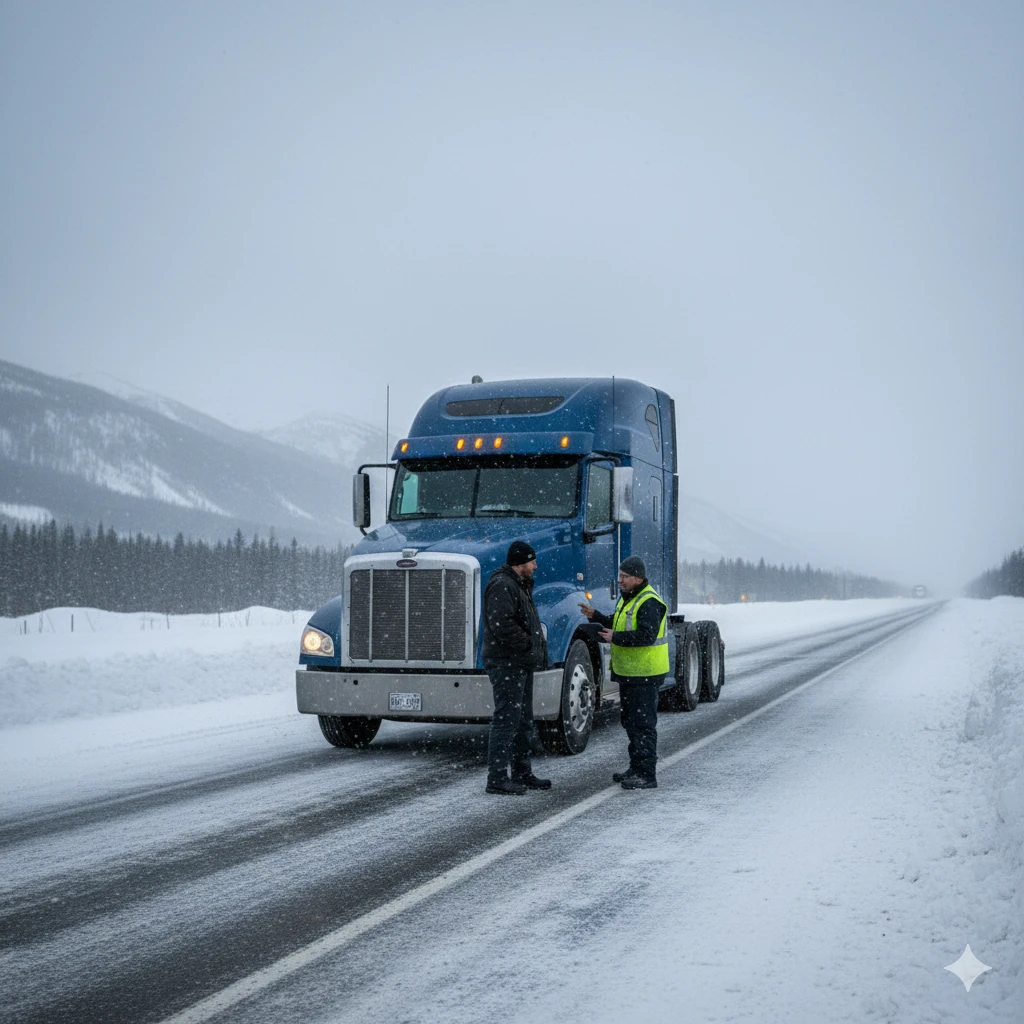
Waiting for a breakdown leaves the vehicle out of service, usually stranded well away from a shop. A single failed air line or worn brake pad can bring a shipment to a screeching halt, postpone its delivery, and throw driver hours off kilter.
This reactive approach opens the door to missed CVIP checks and out-of-province inspection lapses. Paperwork falls behind when repairs take precedence.
Small defects turn into big repair jobs. A slow oil leak turns into an engine seizure. A minor steering play can escalate into a complete gear box replacement. Prices go up quickly.
Move to foreseen maintenance related to hours, kilometers, and duty cycle. Lock CVIP windows into your calendar, add pre-trip checklists, and flag trends before they become roadside events.
2. Inadequate Scheduling
Bad scheduling leaves holes in yearly CVIP timing, particularly for mixed fleets that include trailers and light trucks. Certificates expire when cars rotate through high demand.
MUOU can result in fines and unit impoundment and cancelled loads.
Construct a single master schedule per asset with buffer weeks. Don’t forget spares so a unit can stand down without hurting routes.
With digital calendars, ELD integrations, and SMS alerts, operators get early prompts and sign offs are tracked.
3. Technician Gaps
Untrained or uncertified staff may miss cracked brake drums, out of spec kingpins or ABS faults that only show on scan.
Knowledgeable techs who understand Alberta standards spot the specifics that cause CVIP lane to fail. They record fixes to norm.
Stay up to date on training for torque specs, emissions, and brake regulations as laws evolve. Prevention is cheaper than repair.
Work with your local CVIP-certified facility for calibrated tools, lift capacity, and inspectors who understand failure points.
4. Data Neglect
Skinny logs mask trends, so leaks, DPF glitches or tire wear recur. Deadlines sneak by unrecorded.
Stop storing inspection certificates, repair orders, and collision files in separate systems. Connect them to the asset ID.
Analyze data each quarter to identify recurring defects by route, load, or make. Fine-tune PM intervals and parts selection.
Audit files on a monthly basis to ensure there are signatures, dates, and CVIP validity that meet the current rules.
5. Short-Term Savings
Putting off a brake reline or skipping a tire change seems inexpensive in the moment. Later, you are paying for rotors, hubs, and tow bills.
Non-compliance risks fines, canceled insurance coverage, and parked vehicles.
Budget for consistent inspections and preventive maintenance. The consistent expense trumps emergency prices.
Building a Proactive Program
About: Constructing a proactive program maximizes uptime, minimizes unexpected expenses, and maintains a tight paper trail for audits. It’s pro-road safety, snagging defects before they hit the highway.
Embrace Technology

Leverage fleet software to schedule CVIP dates, meter-based service and recall tasks. Link odometer or engine hours to work orders. Include expiring permits to prevent gaps.
Go digital for inspection sheets, photos, and signatures. Electronic collision reporting and telematics make it simple to store and search incident data. This maintains a full and traceable record for auditors.
Cutting-edge diagnostics detect premature wear. Plug-in scan tools read fault codes quickly. Vibration, fluid, and brake wear sensors indicate trends that assist you in scheduling work before a little problem becomes a showstopper.
- Fleet management suites: SAM, Verizon Connect, Fleetio, Chevin
- Telematics and ELD: Geotab, Samsara, Motive
- Diagnostic hardware: OEM scan tools, J1939 readers, OBD-II scanners
- Predictive tools include tire-pressure monitoring, brake-lining sensors, and oil analysis.
- Document control: SharePoint, DocuSign, secure cloud storage with audit trails
Prioritize Training
HOST CONTINUOUS TRAINING FOR DRIVERS, TECHS AND MGRS ON CVIP SCOPE, OUT-OF-SERVICE POINTS, BRAKE/STEERING LIMITS AND LIGHTING RULES. We mean real vehicle walkarounds, not just slides.
Keep staff up to date on Alberta standard updates and legislative changes. Send out quick briefs when rules change, with relevant examples and shop real photos.
Conduct workshops on root-cause inspections, torque specifications, wiring fixes, and corrosion management. Brief toolbox talks every other week work great.
Trained people see risks sooner. A driver who understands the warning sign of air loss can flag a minor leak at 90 kPa rather than waiting for a roadside scrap.
Standardize Procedures
Build one checklist for all units that corresponds to CVIP items, and model-specific notes for buses, tractors, and trailers.
Draft step flows for pre-inspection, fault triage, repair sign-off, and post-inspection uploads. Identify who signs, where data goes, and the time limits.
Keep procedures uniform across sites. Apply standard torque charts, parts codes, and photo standards so your logs withstand NSC audits.
- Map requirements: link every CVIP item to a task, tool, and pass or fail note.
- Draft SOPs: Write clear steps, add photos, and include safety PPE.
- Pilot and refine: test on a small group, fix gaps, and set metrics.
- Roll out and audit: Train all staff, run monthly audits, and update after defects or rule changes.
Beyond The Sticker
Getting through a CVIP in Alberta is more than just getting a decal. It means predictable maintenance, safer fleets, and closer monitoring that minimizes risk over daily operations and long hauls. A legitimate certificate says to regulators, insurers, buyers, and clients that the vehicle meets clear standards and the business approaches safety as policy, not luck.
Insurance Implications
Insurers charge for risk, not hope. Cars that get CVIP on time tend to have less expensive premiums since brakes, steering, suspension, and lights are all verified in condition. That reduces the risk of loss, so underwriters can price with more certainty.
Missed dates, failed reinspections or lapsed certificates can push rates up, trigger deductibles or even cause denied claims after a crash. That margin of “in compliance” and “not in compliance” when a claim lands on a desk can be expensive.
Keep full records: dated inspection reports, signed repair orders, parts invoices, and photos of critical fixes. Archive them in a digital folder associated with the VIN and backup. When a claim adjuster inquires, you can provide evidence in minutes, not days.
Routine checkups find worn tires, loose kingpins or oil leaks before they wreak havoc. Fewer accidents guard your claims record and keep your rates level.
Resale Value
Current CVIP status raises resale value as buyers sense less risk and fewer surprises. A truck that posts clean inspections tells you there will be fewer surprises post-handoff.
A robust paper trail, including service logs, torque checks, and brake measurements, builds confidence. Buyers now balance two comparable units and choose the one with evidence in hand.
| Item | Date | Finding/Repair | Notes |
|---|---|---|---|
| CVIP Inspection | 2025-01-12 | Passed | Brake linings at 8 mm |
| Brake Service | 2024-11-03 | Rear pads replaced | OEM parts |
| Steering Check | 2024-08-21 | Tie rod ends replaced | Alignment done |
Nicely maintained cars depreciate more slowly, receive more bids, and spend less time dormant on listings.
Brand Reputation
Regular compliance proves that your business operates on principles, not easy outs. Customers, partners, and drivers hear it when fleets appear loved and paperwork is pristine.
Non-compliant units break trust quickly. Roadside blow-ups, obvious defects, or expired decals can lead to contract reviews, audits, or lost tenders.
A recent CVIP sticker and a clean inspection sheet imply maintenance. This means drivers receive safe equipment and freight receives safe transit.
Make your safety position public in bids, on your site, and in driver onboarding. State inspection frequency, pass rates, and corrective timelines to demonstrate process, not assertions.
The Strategic Partnership Advantage
About The Strategic Partnership Edge A strategic partnership for Alberta CVIP inspection connects daily maintenance to your long term fleet objectives. It syncs compliance, safety, and budget control in one plan that scales as operations scale.
Take advantage of the strategic partnership and full stack of service, including CVIP prep, licensed inspections, repairs, and records, with an experienced provider like Hart Transmission and Mechanical. One touch point means less vendor shuffle and fewer holes. For instance, book pre-inspection checks, brake measurements, and light system tests during the same visit as oil service. This reduces downtime and helps units get through CVIP the first time around. When parts or special tools are required, the partner finds them quickly, so trucks get back on the road in hours, not days.
Strategic partnerships mean access to licensed inspection stations and certified CVIP mechanics. That counts in Alberta, where inspections have to be performed by authorized shops. A qualified crew measures wear limits using the appropriate gauges, records accurate data, and identifies underlying causes, like imbalanced tire wear from misaligned axles or weak suspension bushings. Precision results dictate fixes that endure, not bandaids that just kick failures a month further down the road.
With a dependable maintenance partner, you can maintain compliance with less admin. Centralized digital logs of inspection sheets, torque specs, repair orders, and service dates simplify audits and provide managers with real-time status across the fleet. Defined checklists, intervals by kilometers and hours, and automated reminders reduce the risk of overlooked deadlines. Costs fall when problems are caught early, like a small air leak repair today versus a brake chamber blowout tomorrow.
Working with specialists soars fleet dependability, security, and expense management. Partners share resources and risk, stabilizing budgets and minimizing parts waste. They introduce new instruments and approaches, such as telematics tie-ins that flag heat in wheel ends or track fuel consumption to suggest injector or DPF problems. Shared insight accelerates problem-solving and nurtures skills development for internal teams. When both sides are aligned on goals, values, and culture, communication remains open, trust develops, and decisions become quicker. There is a quiet edge of access to new know-how, markets, and vendor networks. The result is more uptime, fewer roadside events, and leaner spending per kilometer.
Preparing Your Vehicle
 Perform a mini pre-CVIP. Address obvious issues such as bald tires, cracked lenses, weak batteries, loose mirrors or any fluid leaks. Bring along any old inspection sheets, repair invoices, and maintenance logs. Inform the inspector of any known problems so time is used efficiently and the findings are clear.
Driver Reports
Drivers should conduct daily trip inspections and mark defects immediately, even minor ones like a flickering marker light or a mild brake squeal under load. Prompt reporting assists in scheduling repairs before small problems become big.
One standardized form for the fleet. For example, unit ID, date, odometer in kilometers, location, and a plain defect list with severity. Include photos when safe. Regular inputs eliminate guesswork.
Read these reports on a set frequency. Look for repeat notes: uneven tire wear on the same axle, slow air build times in cold starts, or recurring ABS warnings. Patterns drive parts stocking and repair priority.
Proper feedback receives hazards early. A driver’s soft pedal note can prompt a convenient brake check that saves downtime, tickets, or roadside breakdowns.
Documentation
Keep current records for each unit: inspections, services, torque checks, alignments, brake measurements, and parts used. Or link work orders to reported defects to demonstrate close-out.
Stash digital copies of CVIP certs, repair invoices, calibration sheets, and insurance. Store them on a safe, searchable drive with role-based permissions. Back up to somewhere else.
Organize by unit number and date. Example: “Unit_23/2026-02-15_CVIP.pdf.” At audits, easy access saves you time in proving compliance and helps prevent downtime.
Audit files monthly to close gaps, validate expiration, and adjust intervals to OEM recommendations and local regulations. Refresh any absent signatures or meter reads.
Pre-Check
Get a comprehensive pre-check, including brakes, steering, suspension, lights, tires, wheels, windshield, wipers, horn, mirrors, drivelined, exhaust, and all fluid levels. Check brake lining thickness in millimeters and air leak rates.
Use a checklist that mimics CVIP things. Check that VIN plates are readable, the fire extinguisher is charged, reflectors are in place, and emergency triangles are aboard.
Fix small issues now: aim headlights, replace wiper blades, top off fluids, clean lenses, and wash the undercarriage so leaks are easy to spot.
A diligent pre-check usually translates to a first-time pass and less rework.
Conclusion
Alberta CVIP inspections don’t have to be a grind. Concrete steps assist. Designate a specific day for inspections. Keep notes on defects. Leverage torque marks. Keep tire tread, brake pad thickness, and light output in sight. Repair minor defects quickly. Export data to share with your shop. Demand actual parts lists and times. Sample: scan the fleet each Monday, book alignments at 20,000 kilometers, swap brake fluid every 24 months, and load test batteries before winter.
To cut risk, build a loop: inspect, log, act, review. Select partners who provide scope, cost, and lead time up front. Maintain files neat and accessible. Ready to take your CVIP game to the next level. Contact us for a checklist, sample logs, and a quick plan session.
Frequently Asked Questions
What is an Alberta CVIP inspection?
A Commercial Vehicle Inspection Program (CVIP) is a mandatory safety inspection for commercial vehicles in Alberta. Licensed facilities inspect brakes, steering, suspension, lights, tires, and structure. Vehicles that pass are given a decal good for up to 12 months, depending on vehicle type and use.
How often do I need a CVIP inspection in Alberta?
Almost all trucks, trailers, and buses need an inspection every year. Certain passenger or light commercial vehicles may vary depending on usage. Refer to Alberta Transportation regulations for your vehicle category. Stay up to date and steer clear of fines and downtime.
What causes fleets to fail CVIP inspections?
Frequent flunkers are worn brakes, damaged tires, leaks, steering play, cracked windshields, lighting faults, and rusted frames. Preventive maintenance gaps and bad recordkeeping cause failure. Routine pre-trip checks minimize danger and expense.
How can I build a proactive maintenance program?
Leverage scheduled inspections, digital checklists, and data-driven service intervals. Trace defects, safety-item priority, and repair verification. Train drivers to perform daily walk-arounds. Work with an accredited center for reliability and faster processing.
Does the CVIP decal guarantee my vehicle is safe all year?
No. The decal verifies that the vehicle passed compliance on the date of inspection. Safety is never done. Do daily inspections, repair issues immediately, and adhere to service schedules. Maintain proof of repairs and watch for wear between inspections.
What should I do before a CVIP appointment?
Wash the vehicle, repair known issues, and fill fluids. Inspect lights, brakes, tires, wipers, horn, and mirrors. Bring service history and previous inspection reports. Take out cargo that obstructs access. This saves time and reduces reinspection risk.
Why choose a strategic maintenance partner for CVIP?
With a certified partner, you get reliable inspections, accelerated booking and dependable paperwork. They assist in predicting repairs, reducing downtime and staying compliant. Their experience boosts pass rates, asset life and reduces TCO.
Not what you were looking for? Browse Hart Transmission’s top resources for professional diagnostic and repair services.
Fleet Service and Preventive Maintenance
You may also find the following resources helpful for additional reference.