- Key Takeaways
- How Temperature Swings Affect Truck Components
- The Material Science of Failure
- Why Truck Fluids Matter
- The Unseen Electrical Threats
- Mitigate Weather-Related Risks
- Your Proactive Maintenance Plan
- Conclusion
- Frequently Asked Questions
- How do temperature swings damage heavy-duty truck components?
- Which materials in trucks are most vulnerable to weather?
- What truck fluids are most affected by extreme temperatures?
- How can I spot early signs of weather-related electrical issues?
- What maintenance steps reduce weather-related failures?
- Do temperature changes affect tire performance and lifespan?
- How often should I test fluids and perform inspections in harsh climates?
Key Takeaways
- Temperature swings put additional strain on engines, batteries, tires, transmissions and brakes, all leading to higher breakdown potential and lower performance. Schedule seasonal inspections and stick with components rated for the harshest possible climates to keep your reliability high.
- Extreme cold and heat make expansion and contraction that quickly wears out metal, rubber, and plastic parts. Check for cracks, leaks, and deformation and swap out compromised components before they fail.
- Fluids behave differently at various temperatures, influencing lubrication, cooling, and hydraulic response. Respect manufacturer specs, rely on seasonal viscosities, and keep a fleet-wide checklist for oil, coolant, hydraulic, and transmission fluids.
- Electrical systems have silent enemies: moisture, corrosion, and brittle wiring that cause intermittent faults. Clean and protect connections, test key sensors, and replace damaged harnesses to steer clear of unexpected downtime.
- Forward-thinking care cuts weather liabilities and expenses fleet-wide. Use daily, weekly, and seasonal checklists to record findings, stock common parts, and train drivers to report early warning signs.
- Partnering with skilled technicians helps ensure reliable operation around the clock. Make services part of your routine, select OEM or quality parts, and use telematics to track vehicle health and schedule timely repairs.
Heavy-duty truck components are the parts and systems that keep Class 7–8 trucks safe, efficient, and able to haul over 15,000 kg. Core groups consist of powertrain components such as engines, turbochargers, and transmissions, as well as axles, differentials, and driveshafts. Brake systems utilize air compressors, chambers, and ABS modules to handle long stops and steep grades. Suspension utilizes leaf springs, air bags, shocks, and torque rods to stabilize rides and reduce wear. Cooling, filtration, and aftertreatment safeguard engines and comply with emissions regulations. Frames, fifth wheels, and hitches absorb trailer weight and strain. Electrical includes batteries, alternators, starters, and harnesses. To assist you in planning maintenance, specs, and procurement, the guide below lays out critical components, failure indicators, service intervals, and parts options.
How Temperature Swings Affect Truck Components
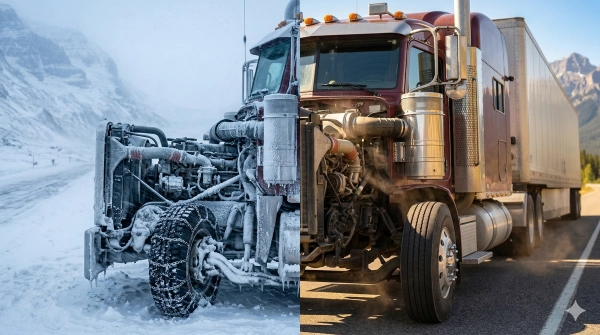
Fast changes, such as those experienced in Alberta from sub −30°C to above 30°C, force engine, electrical, tire, and drivetrain systems outside typical design windows. Expansion and contraction throughout metals, rubbers, and fluids accelerates wear, increases breakdown risk, and reduces efficiency. Cooling systems endure heat stress and freezing. This cycle saps batteries, thickens fluids, and can gel diesel. Brakes, suspension, and fuel systems require stable maintenance to remain safe throughout the year.
1. Engine Stress
Freezes deplete oil circulation, increase friction, and put stress on belts, hoses, and seals. Glow plugs labor and fail weak, so testing them pre-winter is a great service!
High heat stresses the cooling system. Weak thermostats, clogged radiators, or old coolant drive temperatures up and can warp cylinder heads or blow gaskets. Summer idling and long grades kill flimsy fan clutches quickly.
Apply winter-grade diesel or anti-gel in freezing weather to avoid fuel gelling that starves injectors. Set on quality hoses, clamps, and water pumps and cull inspection cycles in swing seasons.
2. Battery Drain
Cold cuts cranking power, so a healthy 12/24-V system can still strain at dawn starts. Load test batteries before winter and check alternator output.
Heat accelerates fluid loss and plate corrosion, which reduces life. Clean terminals, corrosion, and grounds to prevent voltage drop. In extreme temperatures, opt for OEM or premium batteries with increased cold-cranking amps and vibration resistance.
3. Tire Pressure
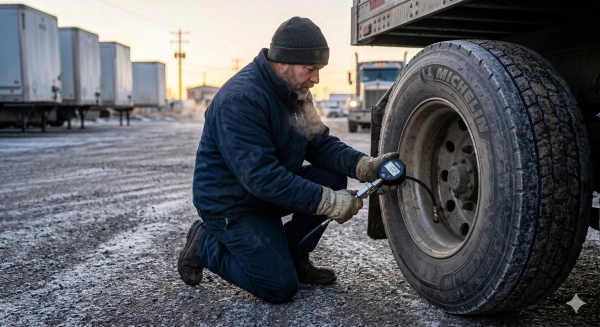
Underinflation generates heat and can cause blowouts, particularly on hot pavement. Overinflation decreases the contact patch and leads to center wear.
Do-dailies with a calibrated gauge, check sidewalls and tread for any cuts or bulges, and rotate on schedule. Choose load and climate-rated tires and perhaps TPMS for immediate notification.
4. Transmission Strain
About: Temperature swings and their effect on truck components. Cold thickens ATF or gear oil, slowing shifts and boosting wear at launch. Heat thins fluid, weakens lubrication, and can cause overheating on grades. Check levels, color, and smell, and change on schedule. Maintain shear stability, friction balance, and power transfer with manufacturer-approved fluids.
5. Brake System
Air brake valves, dryers, and lines are affected by temperature swings. Water collected in tanks can freeze and create drag or loss of brake force. Rain, ice, and snow reduce traction and increase the load on ABS and modulators.
Drain tanks, service air dryers and check pads, rotors, drums, chambers and ABS sensors. Winter road salt accelerates corrosion on lines and fittings, while spring debris and potholes can knock alignment and strain suspension components, increasing stopping distance.
The Material Science of Failure
The materials in heavy-duty trucks experience heat, cold, load, and vibration. Each responds differently, establishing unique failure patterns, maintenance requirements, and component selections. Good quality raw stock, sound machining, and proper installation practice are as important as design. Maintain a live parts catalog with OEM and vetted aftermarket for harsh duty.
| Material | Typical truck uses | Heat response | Cold response | Common failure mode |
|---|---|---|---|---|
| Mild steel | Body panels, brackets | Softens slightly; oxidation rises | Contracts; less ductile | Corrosion, buckling at stress risers |
| Medium carbon steel | Axles, crankshafts, gears | Temper loss if overheated | Shrink-fit tightens | Fatigue cracks, tooth fracture |
| Alloy steel | Frames, suspension links | Holds strength at heat | Good low-temp toughness | High-cycle fatigue |
| Aluminum | Charge-air pipes, housings | Creep risk at high heat | Brittle in extremes | Crack at weld toes |
| Rubber (EPDM, NBR) | Hoses, seals, bushings | Hardens, loses oils | Becomes brittle | Leak, tear, loss of isolation |
| Plastics (PC, PA, PP) | Lights, clips, panels | UV + heat warp | Brittleness | Crack, connector failure |
Stress increases with velocity, weight, heat, shaking, and sounds as trucks mature. Dewy mornings followed by warm days accelerate corrosion, particularly on coastal or otherwise humid routes. Inadequate tooling leaves rough roots and sharp angles that concentrate stress. Wrong fits or installs, such as a mis-seated double-row spherical roller bearing on a sleeve, reduces life quickly.
Metal Fatigue
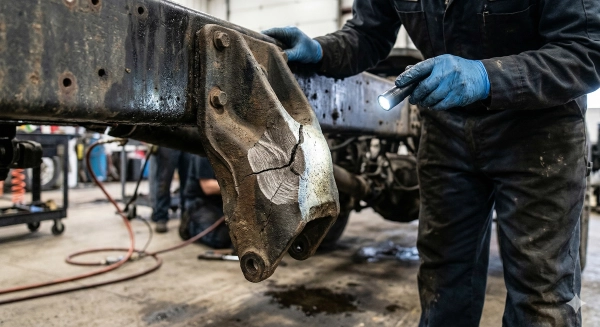
Thermal cycles cause metal to expand and contract. That movement generates microcracks at weld toes, bolt holes, and machined fillets. Over time, they connect together.
Axles, frames, crossmembers, spring hangers and gear teeth bear heavy loads and experience extreme temperatures. Medium carbon steels last longer than mild steel here. Both fail if heat treat is wrong.
Check for rust streaks, bent flanges, fretting at joints and red dust adjacent to cracks. Look close after freeze-thaw weeks.
Exchange wrecked components quickly. A cracked frame rail or axle can lead to a loss of control.
Rubber Brittleness
Cold makes seals, hoses, and bushings stiff and brittle, so they crack under pulse or flex.
Heat accelerates oxidation and oil decomposition, which result in leaks and bad insulation. High under-hood heat near turbo lines is a frequent activator.
Utilize heavy-duty or OEM-grade rubber rated for oil, coolant, and ozone. Maintain date codes in your catalog.
Substitute on hours or kilometers, not just failure. Shorten cycles for desert or arctic fleets.
Plastic Cracking
Low temperatures make plastics in lamps, body panels, clips and harness connectors brittle. A quick wash with hot water after a freeze can crack tabs.
Swift oscillations induce stress cracks and fogged lenses that reduce light output and risk.
Inspect for yellowing, chalking, fastener warps or hairline cracks. Wiggle connectors and search out loose locks.
Select UV-stable housings and high-impact grades for exteriors. In gearboxes, watch teeth, and bearings, bad installs and wrong fits at bearing outer rings and housings increase failure odds when temperature and load vary.
Why Truck Fluids Matter
Heavy-duty commercial vehicles rely on oils and fluids to safeguard engines, drivetrains, cooling circuits, and hydraulic systems. The right choice minimizes wear, controls heat, and maintains reliable control, all driving less downtime and extending fleet service life.
- Keep a fleet checklist:
- Engine oil: grade, viscosity, top-up dates, sample results and change intervals.
- Coolant: level, freeze and boil range, nitrite or OAT type, change date.
- Transmission fluid: level, color/odor, service interval, filter changes.
- Hydraulic fluid: viscosity grade, contamination counts, replacement dates, and system leaks.
Wrong or worn out fluid loses film strength, increases friction and accelerates wear on bearings, cams, pumps, and seals. Heat climbs, oxidation rises and metal debris grows, all of which can spark premature failures.
These fluid basics are what really matter when it comes to truck care. Premium fluids may cost more, but they frequently translate into longer intervals, fewer visits to the shop, and more time on the road.
Oil Viscosity
Oil thickens in cold weather, which means flow slows during start-up and parts run dry for longer. That extended period without a complete film results in increased scuffing and bearing wear.
Heat shears and breaks down oil, which reduces protection and accelerates sludge and varnish. Synthetic oil can go as far as 24,000 kilometers or more in certain duty cycles, compared to approximately 8,000 kilometers with traditional oil.
Use seasonally appropriate oils that align with the manufacturer’s viscosity map, including high-viscosity index synthetics for wide ranges. Schedule changes by distance and duty. Heavy loads, long idles, dust, and steep grades call for shorter intervals.
Coolant Integrity
Coolant stops overheating and freezing, which is essential in places like Alberta, where engines have to endure sub-zero starts and summer ascents.
Make sure you check levels and the mix ratio to ensure correct freeze and boil points and check inhibitor health. Long-life coolants are good for up to five years or approximately 965,000 kilometers, whereas conventional types will last for two years or 160,000 kilometers.
Flush and fill on schedule to prevent corrosion, scale, and silicate drop-out that plug passages. Employ OEM-approved coolants that are compatible with engine metals and emission controls.
Hydraulic Response
Steering and braking circuit hydraulic fluids thicken in cold weather, slowing response and increasing effort at the wheel or pedal.
Contaminated or degraded fluid can cause chatter, fade or pump wear. High-viscosity index fluids maintain steady flow over broad temperatures and enhance control.
Check for aeration, moisture, and particles. Change as per specification of fluid and filter. Select products that satisfy OEM specifications to lock in safety and keep systems tight.
Regular transmission fluid changes keep parts cool and slick, reducing failure risk and massive repair bills. Ignoring lube means welcoming salt driven corrosion in open components.
The Unseen Electrical Threats
Heavy-Duty Truck Electrical Systems Under the Radar from Heat, Cold and Moisture Temperature swings drip moisture into connectors and control units. Hot weather accelerates battery wear and overheats alternators and sensors. Cold shortens battery output and makes insulation brittle. These surges cause sporadic faults in lighting, sensors and control modules that halt trucks, delay shipments and increase expenses. Just some quick visual inspections, cleaning and spares on hand significantly reduce downtime and keep your data and power flowing.
Corroded Connections
Moisture and road salt accelerate corrosion at battery posts, ground straps, starter lugs, and harness plugs. Condensation occurs after a cold night and a warm day and seeps into unsealed pins and housings.
Corroded joints cause flicker in headlamps or dim marker lights and momentary power loss to pumps or fans. A voltage drop at a crusted terminal can fool control modules.
Brush clean, contact-safe cleaner, seal with dielectric grease or protective sprays. Swap out heat-scorched boots, cracked housings and fretted pins immediately to return smooth current flow on all your systems. Stock sealed connectors and weather-resistant terminals for quick swaps.
Sensor Inaccuracy
Extreme heat can cause NOx, EGT, and MAP sensors to read incorrectly. Cold can cause delay in O2, wheel speed, and intake temp sensors. That drift impacts emissions control, ABS timing, and engine fueling.
Bad sensors can light the MIL, flash ABS warnings, or contribute to rough idle, hard shift quality, and increased fuel consumption. A bad alternator or old battery can amplify these symptoms, so check supply voltage initially.
Plan regular calibration and function tests for essential sensors to remain compliant and protected. When it comes to wiring, stick to OEM or proven aftermarket parts and don’t rule out heat shields or relocation brackets in the emerging hot-zone.
Wiring Damage
On cold days, insulation stiffens and cracks, enticing shorts and parasitic drains. Heat bakes looms adjacent to exhaust, and rats love to gnaw on toasted engine-bay wiring, particularly following long hauls or winter storage.
Check harnesses after winter, deep-water fording, or dusty tracks. Check for rubbed spots at frame clips, loose grounds, and green corrosion inside seals. Check belt wear because a slipping serpentine belt can undercharge the battery and hide wiring faults.
Guide repairs with a multimeter: a healthy battery reads about 12.6 V off and 13.5 V or more with the engine on. Use sealed conduit, abrasion sleeves, appropriate strain relief, and secure routing to avoid future breaks. Carry extra fuses, relays, belts, and a good alternator to accelerate roadside repairs.
Mitigate Weather-Related Risks
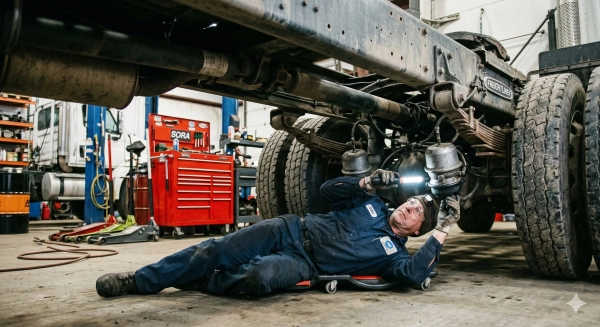
Weather swings stress heavy-duty truck parts and increase operational hazard. A maintenance schedule optimized for cold snaps, heat waves, and sudden storms reduces breakdowns and outages. Alberta’s freeze-thaw cycles, snow, ice, and long hauls make this all the more urgent. Stopping distances increase in heavy snow and freezing temperatures, so components that affect traction, braking, cooling, and visibility require premium attention. Use official forecasts and road advisories, as well as real-time traffic reports, to schedule service windows and postpone non-essential runs when wind speeds or storm alerts peak.
Proactive Inspections
Daily checks: tire pressure (cold), tread and chains, lights and beacons, wipers and washers, air lines for moisture, coolant level and leaks, battery terminals, brake air pressure build time, DEF and fuel caps, and cab emergency supplies for warmth, light, first aid, and comms.
Weekly checks: drain air tanks, test block heaters, inspect belts and hoses for micro-cracks, torque wheel nuts, clean sensors and cameras, check fifth-wheel lube and kingpin wear, and scan for engine or ABS fault codes.
Seasonal checks include swapping to winter-rated tires, low-temperature coolant and fluids, high-capacity batteries, heated mirrors, de-icing washer fluid, and undercarriage rust treatment. In spring, inspect for corrosion and replace boots and seals.
Record observations in logs with time-stamped photos and measurements. Log repairs or part swaps and assign dates and kilometre targets so nothing slips.
Train drivers to flag new knocks, harder shifts, steering pull, vibrations or warning lights immediately. Quick reporting prevents little problems from becoming road calls in a storm.
Component Upgrades
- Cooling system: higher-flow water pump, heavy-duty radiator, silicone hoses.
- Braking: Severe-duty pads, corrosion-resistant lines, heated air dryer.
- Electrical: higher CCA batteries, upgraded alternator, sealed connectors.
- Driveline and suspension: synthetic low-temperature fluids, heavy-duty bushings.
- Visibility: LED headlamps, heated mirrors, winter wipers, washer heaters.
Stay ahead of the temperature swings first because big temperature swings and winter moisture affect cooling and braking components the most.
Keep on-hand spares: belts, hoses, filters, air dryer cartridges, fuses, lamps, brake pads and tire repair kits for quick turns.
Versus OEM and aftermarket by duty rating, warranty, test data, and local support. Tailor to route profile, load, and climate.
Smart Operation
Teach warm-up and cool-down: use light throttle until coolant and oil reach range. Short coasting before shut down after heavy pulls saves turbos.
Verify tire pressure, fluid levels and dash alerts before every trip. Modify speed and following gaps in snow, ice, freezing rain, floods or thunderstorms because quick weather changes increase danger quickly.
Reduce weather-related risks. Connect alerts to weather and road condition feeds. Postpone non-emergency moves until winds calm. Mitigate weather-related risks by relying on official forecasts, state road updates, and real-time traffic to schedule safe windows. Access to timely information reduces risk when storms come.
Your Proactive Maintenance Plan
Your proactive maintenance plan A smart proactive plan keeps heavy-duty truck components in tip-top shape, reduces hazards and stabilizes expenses throughout the year.
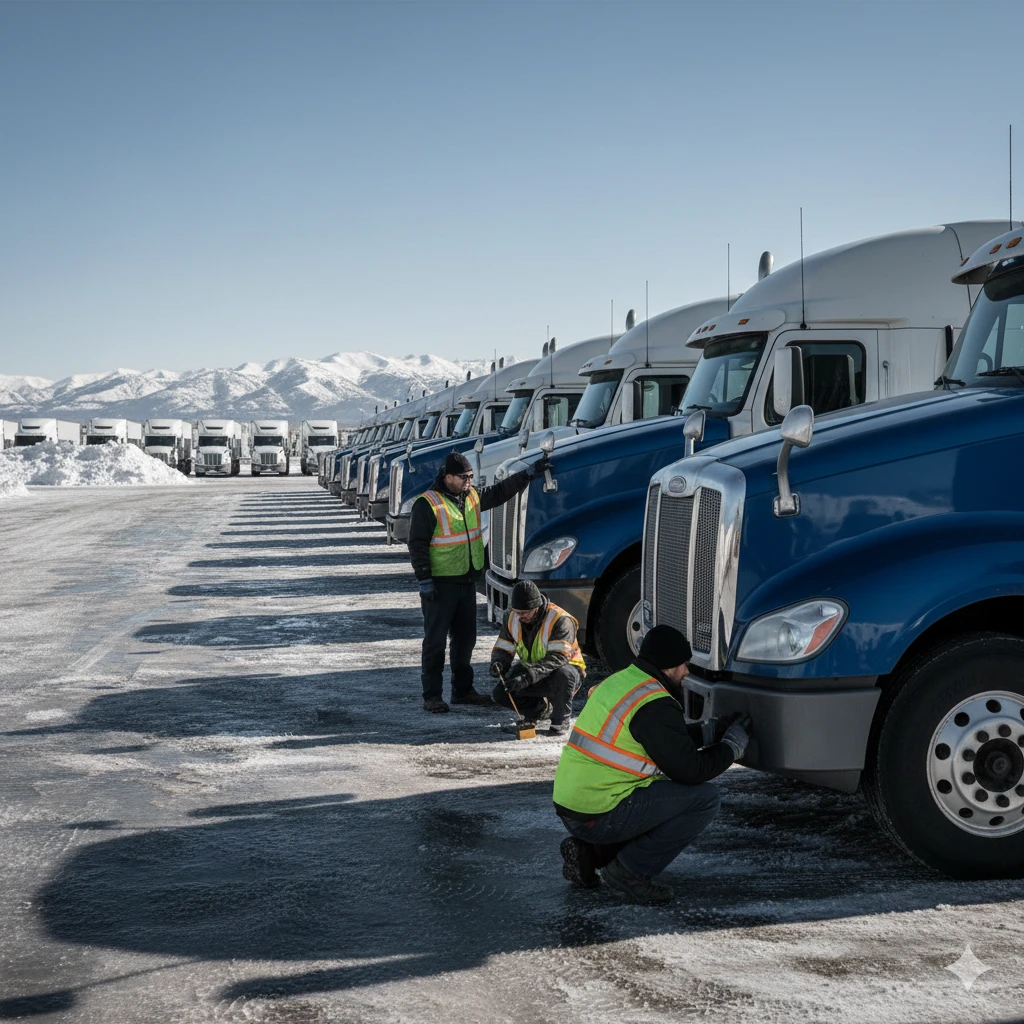
Pair with Hart Transmission and Mechanical for professional inspections and preventative maintenance tailored to your fleet profile, duty cycles, and weather. Their technicians map time, use, and condition-based triggers to each system: engine, transmission, axles, brakes, cooling, electrical, and aftertreatment. For instance, they might configure engine oil service at 500 hours, coolant checks every 6 months, and brake lining inspections at 30,000 kilometers, then modify according to wear patterns. They leverage engine hour, fuel, and mileage data to proactively schedule the next maintenance. This helps identify outliers, such as a unit with increasing fuel burn or frequent regens, before it becomes a failure.
Schedule regular servicing to catch wear before it causes downtime. With a good preventive maintenance plan, as much as 80% of shop work can be scheduled, leading to fewer rush jobs and better parts control. Standard cycles include quarterly drivelines, annual cooling, and seasonal battery, belt, and hose checks. Add targeted tasks, like torque checks on suspension U-bolts after the first 5,000 kilometers on new installs or additional hub inspections for units that tow at maximum gross weight. Use usage data to right-size intervals: long idle fleets may be serviced by hours, while long-haul fleets may be serviced by kilometers.
Trust expert technicians armed with quality parts and tried-and-true steps for ultimate reliability. OEM-spec filters, right viscosity oils, and torque-to-spec fasteners reduce recurring issues. Standard checklists reduce the miss rate: brake pushrod travel, S-cam wear, air dryer purge, DPF ash load, EGR valve motion, harness chafe points, hub endplay, and coolant nitrite levels. Write down every task and note patterns. This assists in analyzing equipment failures, testing fixes, and tuning the program over time.
Guard your asset and keep operations humming with a proactive, out-of-the-box plan that increases equipment dependability and uptime, enhances safety and compliance, and advances sustainability by maintaining trucks in optimum condition and achieving greater mileage. Condition-based alerts from telematics, such as coolant temperature spikes, low oil pressure events, and DPF differential pressure, can trigger mid-cycle checks and prevent expensive repairs. In the long run, a solid proactive plan provides actual cost savings and more consistent uptime across the fleet.
Conclusion
Big swings in heat and cold fuel heavy duty truck parts on the edge. Metals creep. Seals crack. Fluids become thin or gel. Wires rust. None of that sounds rare. It manifests itself in hard starts, soft brakes, slow shifts, weak lights and odd codes.
To get ahead, play by plain rules. Track temperatures on routes. Oil and coolant must match the range. Swap out flimsy hoses and belts ahead of prime season. Load test batteries. Powder coat heavy-duty truck components. Verify tire PSI cold. Sample oil and coolant on an established cycle. Log faults with dates and weather notes. A tight list, completed on schedule, reduces danger and saves money.
Prepared to harden your proposal? Snag the checklist, schedule the service dates, and audit a truck this week.
Frequently Asked Questions
How do temperature swings damage heavy-duty truck components?
Quick heating and cooling makes metals and plastics expand and contract. This causes cracks and warping, seal failures, and early wear. Batteries don’t like the cold because they lose efficiency. Hoses stiffen in the cold and become pliable in the heat. These harsh swings speed fatigue throughout the vital components.
Which materials in trucks are most vulnerable to weather?
Rubber, plastics and composite parts break down fastest from heat, UV, and ozone. Aluminum can corrode with road salts. Steel rusts if it isn’t coated. Electronics solder joints and PCB materials can crack from thermal cycling and vibration.
What truck fluids are most affected by extreme temperatures?
Engine oil thickens in cold and thins in heat. Coolant loses protection when diluted or stale. Transmission and axle fluids shear under heavy loads. Brake fluid is hygroscopic, which means it absorbs moisture and this reduces its boiling point. Use OEM-approved fluids and the correct viscosity for the climate.
How can I spot early signs of weather-related electrical issues?
Be on the lookout for dim lights, random malfunctions, sluggish cranking and warning lights on your instrument panel. Check for corroded connectors, cracked insulation and loose grounds. Check battery health and alternator output. Seal connectors and use dielectric grease to repel moisture.
What maintenance steps reduce weather-related failures?
Follow a seasonal checklist: fluid analysis, battery tests, belt and hose inspection, torque checks, and brake evaluation. Renew worn seals and bushings. Clean and protect electrical terminals. Check coolant mix. Put in good filters. Log it all for trend monitoring.
Do temperature changes affect tire performance and lifespan?
Yes. Cold decreases pressure, leading to underinflation and heat accumulation. Heat increases pressure, risking uneven wear. UV and ozone deteriorate rubber. Check pressure when cold, rotate on schedule and align axles. Inspect sidewalls for cracks and cuts.
How often should I test fluids and perform inspections in harsh climates?
Every 15,000 to 25,000 km, perform visual checks and top-offs. Conduct lab tests on oil and coolant every 25,000 to 40,000 km or as specified by the OEM. Check tires and electrical systems each week. Increase checks during seasonal transitions, hill climbs, or heavy loads. Adjust intervals depending on duty cycle and outcomes.
Not what you were looking for? Discover more expert insights from Hart Transmission and Mechanical on diagnostics, truck repairs, and fleet maintenance across Northern Alberta.
Commercial Vehicle Inspections
Fleet Service and Preventive Maintenance
Looking to learn more about heavy-duty truck systems and transportation safety? Explore these trusted resources for additional information on commercial vehicle maintenance, regulations, and road safety.